His Excellency Mr Jasem Mohamed Albudaiwi, Secretary General of the Gulf Cooperation Council (GCC), affirmed that relations between the GCC countries and the Republic of Lebanon are historic and robust, built and consolidated on many foundations and bonds, foremost among them the bond of brotherhood, which has remained unchanged despite all developments and circumstances.
HE the Secretary General affirmed that the GCC countries view Lebanon as an integral part of its Arab surroundings and an important pillar of regional stability, stressing that the GCC’s position towards Lebanon is firm and supportive of everything that would enhance its security, stability and territorial sovereignty, and fulfil the aspirations of its brotherly people for security, stability and development.
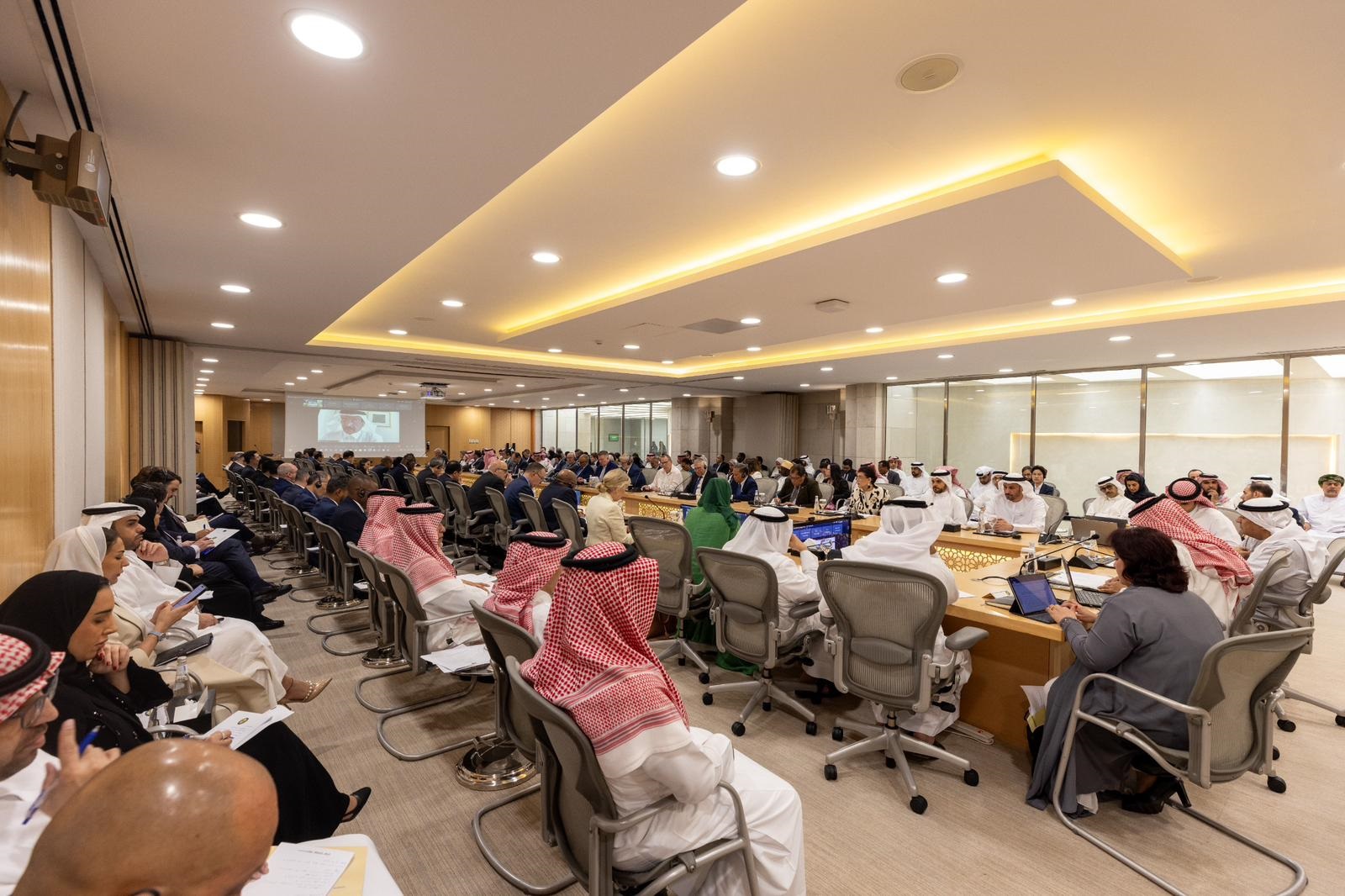
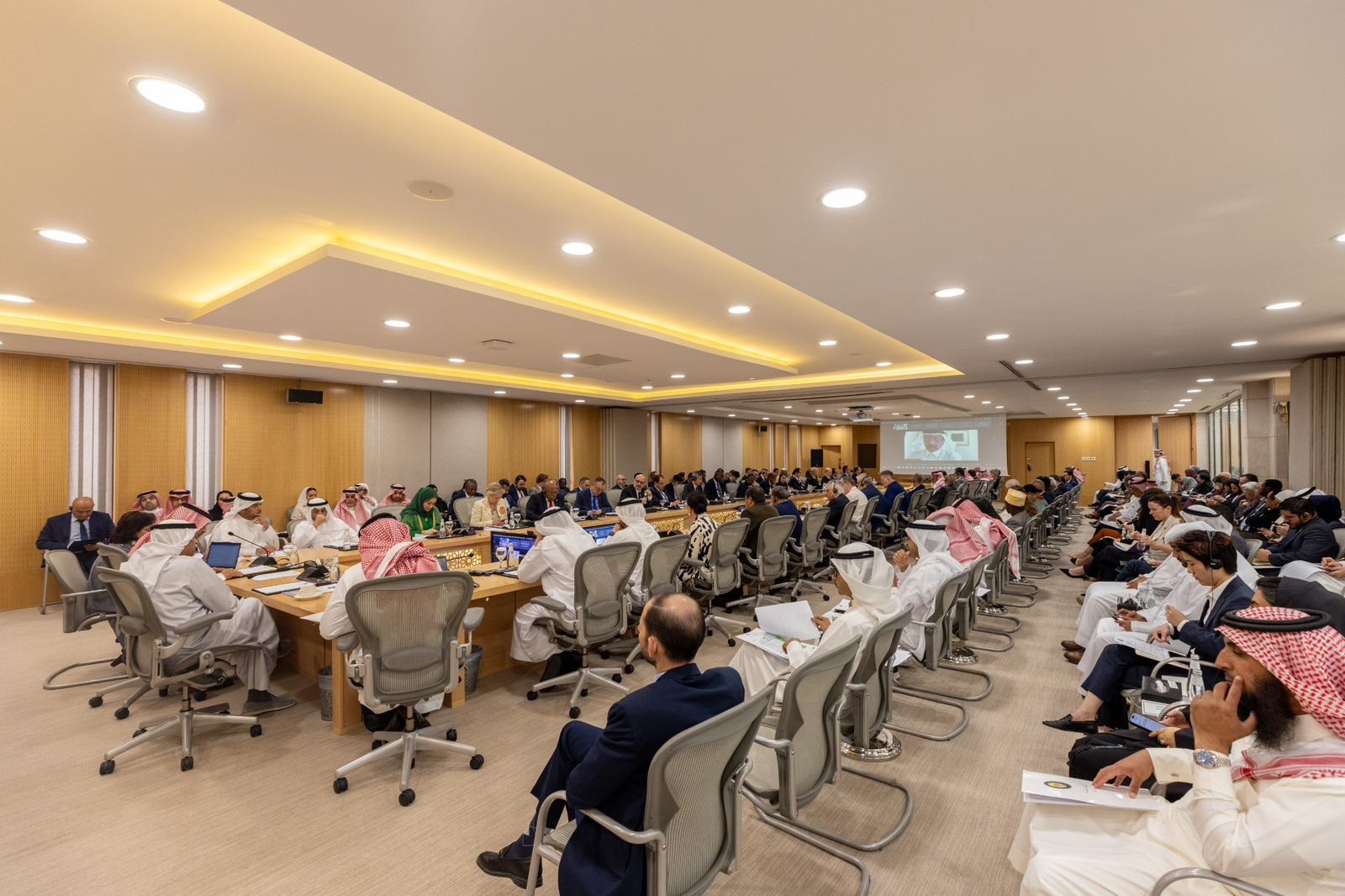
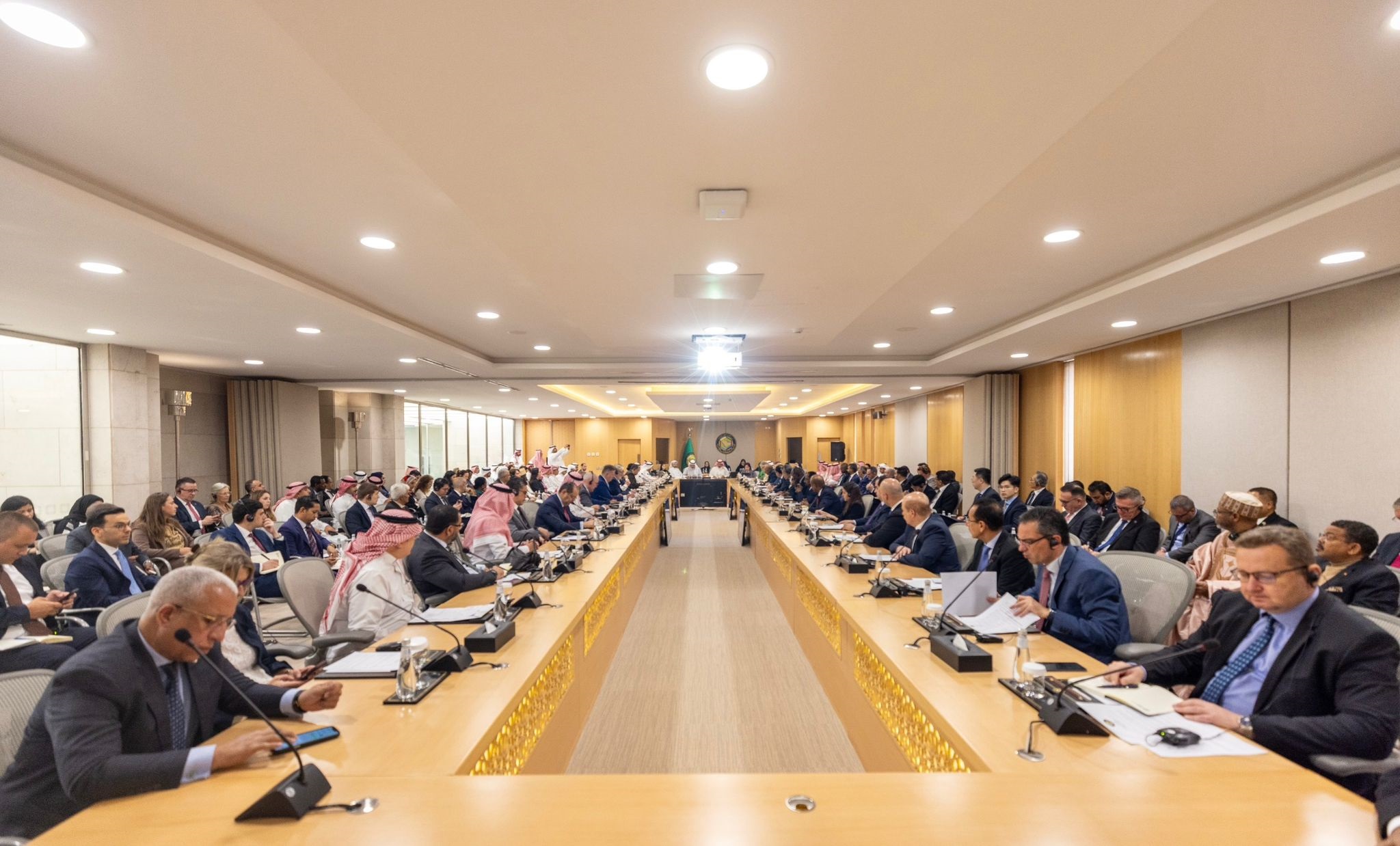
This came during HE the Secretary General’s attendance and patronage of a symposium on GCC relations with the Republic of Lebanon, titled “Challenges and Drivers”, organised by the Political Affairs and Negotiations Sector at the General Secretariat. The event was held on Tuesday (April 21, 2026) at the headquarters of the General Secretariat in Riyadh, with the participation of a number of ambassadors accredited to the Kingdom of Saudi Arabia, as well as officials and experts.
At the outset of his speech, HE the Secretary General commended the efforts made in preparing and organising the symposium by the Political Affairs and Negotiations Sector at the General Secretariat of the GCC, headed by HE Dr Abdulaziz Hamad Al Owaishek, Assistant Secretary General for Political Affairs and Negotiations, and his colleagues.
HE the Secretary General said in his speech that all statements issued by the Supreme Council of Their Majesties and Highnesses, the Leaders of the GCC countries have affirmed the necessity of fully implementing UN Security Council Resolution 1701, as well as their full support for Lebanese state institutions. He affirmed that the GCC countries welcome the steps taken by the government to extend the state’s control over all Lebanese territory and ensure that arms are held exclusively by the state, as an indispensable foundation for restoring stability and building trust with the Arab and international communities.
Furthermore, HE the Secretary General said: “During our visits to Beirut and our meetings with Lebanese leaders, we were keen to convey a clear message that the GCC countries will remain an active partner in supporting Lebanon and its recovery.”
In this context, HE the Secretary General pointed to the complex challenges Lebanon is currently facing, which require concerted international efforts to support and assist it. He noted that the recent military escalation, which resulted in widespread displacement exceeding one million citizens, more than 2,000 casualties, nearly 7,000 injuries, and extensive damage to infrastructure, places Lebanon before a major humanitarian and security challenge.
His Excellency added that the prolonged economic crisis, which has led to financial difficulties and a decline in living standards, requires urgent international support to advance the path of stability and development.
“The GCC believes support for Lebanon cannot be unilateral, but rather is a shared responsibility. Lebanon’s stability is directly linked to ensuring that arms are held exclusively by the Lebanese state and to the implementation of international legitimacy resolutions, in a manner that guarantees the sovereignty of the state and prevents the country from being drawn into regional conflicts,” His Excellency highlighted.
He further stressed the importance of strengthening cooperation with the international community and regional organisations to support the capabilities of the Lebanese Armed Forces, control borders, and combat smuggling and illicit activities, thereby restoring Lebanon’s position as a trusted partner within its Arab and international surroundings.
HE the Secretary General affirmed that the GCC countries will remain by Lebanon’s side, expressing his hope that the symposium would produce insights and recommendations that support Lebanon politically, economically and humanitarianly. He also noted that Lebanon’s future begins from within, through the will of its people and their ability to build a strong and stable state.
In conclusion, HE the Secretary General expressed confidence that Lebanon is capable of overcoming its crises and returning to its natural role within its Arab surroundings, with the support of its brothers and friends, the determination of its people, and the wisdom of its leadership.