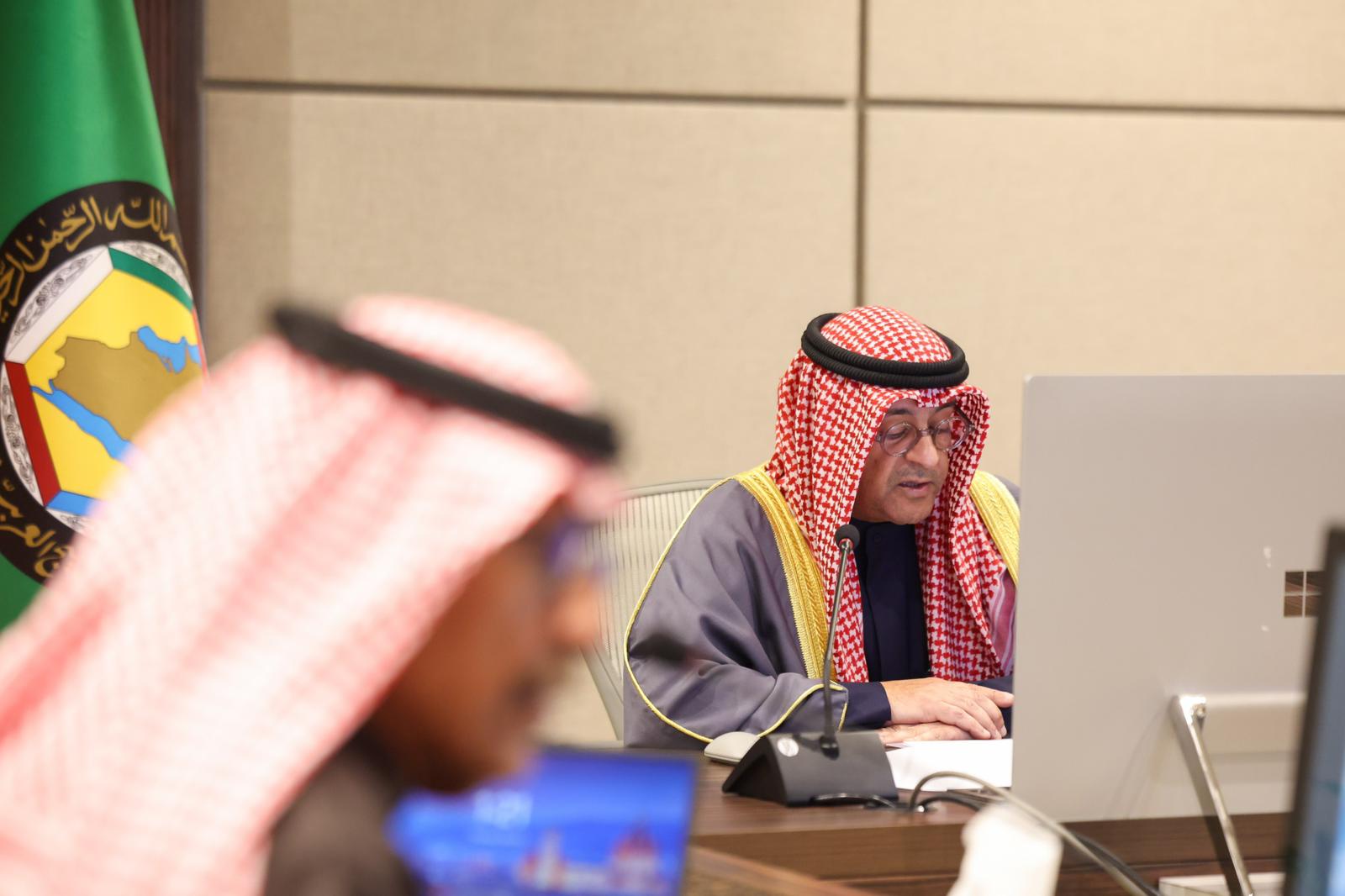
His Excellency Mr Jasem Mohamed Albudaiwi, Secretary General of the Gulf Cooperation Council (GCC), underlined that the GCC states will remain a beacon of stability and a reliable partner to the world. "However, they will not accept being a target for aggression, an arena for proxy conflicts, or a victim of deception and bad faith," His Excellency added, stressing the GCC member states' territorial sovereignty must be respected, and the security of their peoples is non-negotiable. "Respect for international law is the only path to ensuring peace and stability in the region," His Excellency underscored.
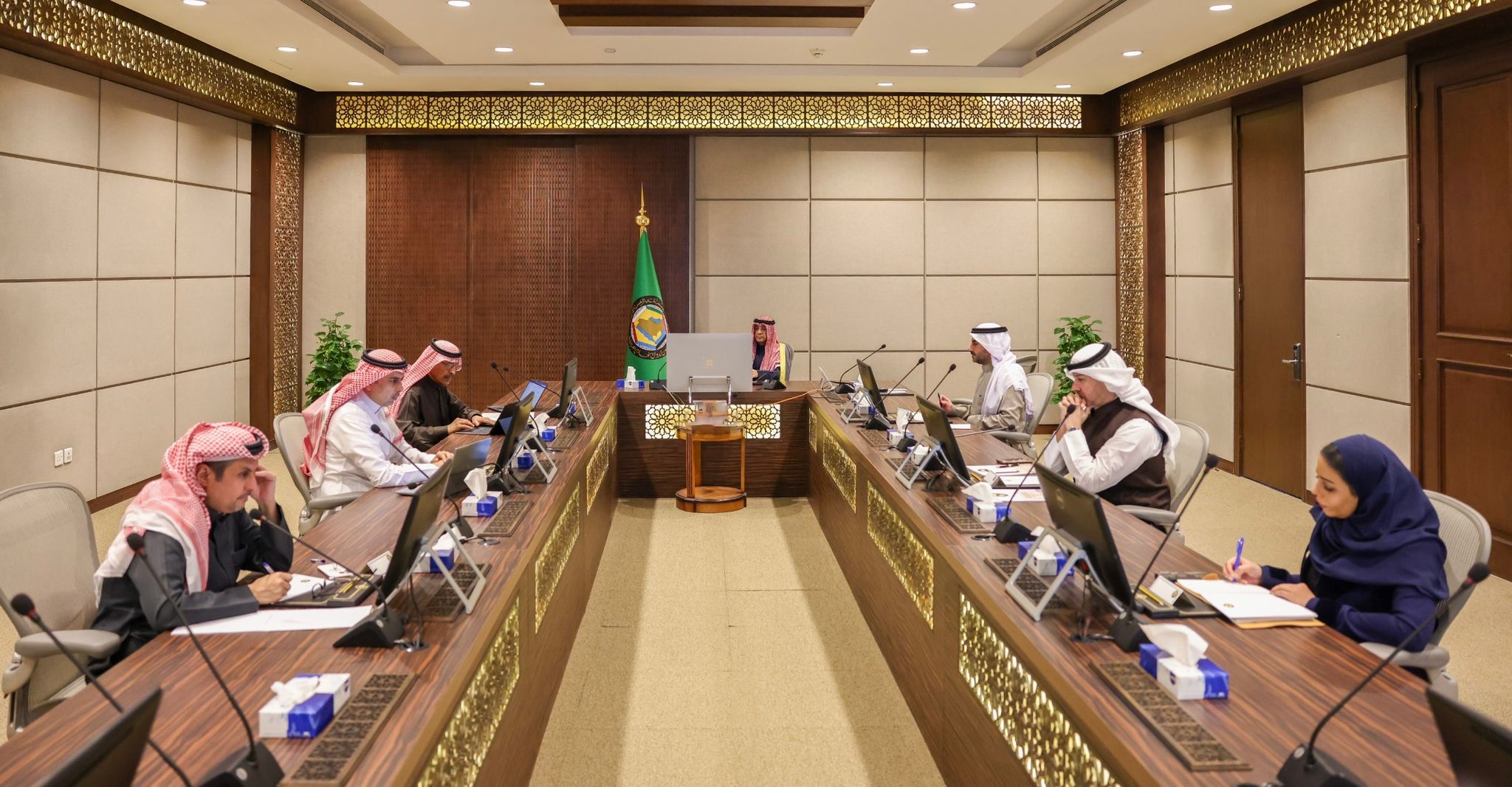
These remarks were made during His Excellency’s speech at the Joint Ministerial Meeting between the GCC and the European Union (EU), held today, Thursday, March 5, 2026, via videoconference. The meeting was chaired by His Excellency Dr Abdullatif bin Rashid Al Zayani, Minister of Foreign Affairs of the Kingdom of Bahrain and President of the current session of the Ministerial Council, with the participation of Her Excellency Ms Kaja Kallas, High Representative of the EU for Foreign Affairs and Security Policy and Vice-President of the European Commission, in the presence of Their Highnesses and Excellencies the Foreign Ministers of the GCC and EU states.
"Today's meeting occurs at a critical moment in the region's history—a moment where crises intersect and events accelerate, testing the international community's commitment to the principles of the international order. For decades, the GCC states have been a cornerstone of stability, an essential element in regional and international reconciliations, a reliable source of global energy, and a responsible partner in the international economy," His Excellency said at the beginning of his remarks.
However, he noted that this peaceful approach has been met with missile attacks and drone strikes launched by the Islamic Republic of Iran—attacks characterised by cowardice in execution and deception in justification.
"These strikes targeted vital civilian facilities, including ports, airports, and basic infrastructure, in flagrant violation of International Humanitarian Law, and even extended to the sanctity of diplomatic missions, in clear breach of the Vienna Convention on Diplomatic Relations," His Excellency stated.
His Excellency pointed out that these actions represent an explicit violation of Article 2, Paragraph 4 of the United Nations Charter, which prohibits the use of force against the territorial integrity of states. "The GCC states maintain their inherent right to self-defence in accordance with Article 51 of the Charter, while remaining fully committed to the principles of international law and the global order," His Excellency indicated.
His Excellency the Secretary General also stated that turning the territories of the GCC countries into an arena for settling regional scores is unacceptable under international law and cannot be justified politically. He further stressed that the GCC countries have repeatedly affirmed to the Iranian side that their territories will not be used to launch any attack against it.
“Among these good-faith efforts were the resumption of Saudi-Iranian relations in 2023, the significant diplomatic role undertaken by the Sultanate of Oman, and the ministerial meeting held in Doha in 2024 between the Foreign Ministers of the GCC countries and the Iranian Foreign Minister. Nevertheless, the attacks have continued, revealing a pattern of deception and breach of commitments,” His Excellency commented.
His Excellency the Secretary General also noted that the closure of the Strait of Hormuz and the targeting of commercial vessels passing through it constitute a direct attack on one of the most important international maritime passages, threatening global trade and international energy security, and exposing the marine environment to serious risks.
In this regard, His Excellency said: “These developments are particularly significant in light of the forthcoming GCC–European meeting on energy security in Cyprus. The extension of the Iranian raids to Cyprus, which currently holds the Presidency of the Council of the European Union, confirms that these attacks not only threaten the security of the Gulf, but also affect the stability and security of its international partners.”
Moreover, His Excellency Mr Albudaiwi said that in 2022 the European Union adopted the document entitled “The EU Joint Communication on a Strategic Partnership with the Gulf”, which underscored that the partnership between the European Union and the GCC is based on supporting the rules-based international order and joint efforts to prevent escalation.
He further stated: “Recalling this document today is not merely a reference to a political text, but a reminder of a clear commitment that must translate into practical positions when partners are subjected to attacks affecting their sovereignty and security. Relations between the GCC and the European Union have witnessed growing momentum in recent years, culminating in the first GCC–EU Summit held in Brussels in 2024, and this trajectory continues with preparations for the upcoming summit between the two sides. These meetings have affirmed our shared commitment to strengthening the strategic partnership, protecting regional security, safeguarding freedom of international navigation, and supporting global stability. However, strategic partnerships do not flourish amid the flow of missiles and drones, do not grow under threats to international navigation, and cannot stand in the face of attacks on the sovereignty of states.”
His Excellency the GCC Secretary General concluded his remarks with several observations, noting that what the region is facing today represents a real test of the international community’s commitment to international law and global stability, underlining that the European Union, as a strategic partner, bears responsibility in contributing to halting these attacks.
His Excellency also urged the international community to recognise that any frameworks, initiatives, or regional arrangements that shape the next phase in the region must be developed in consultation with the GCC countries and the concerned partners, and that its perspectives and concerns must be taken into account in all future planning processes.
--The End--