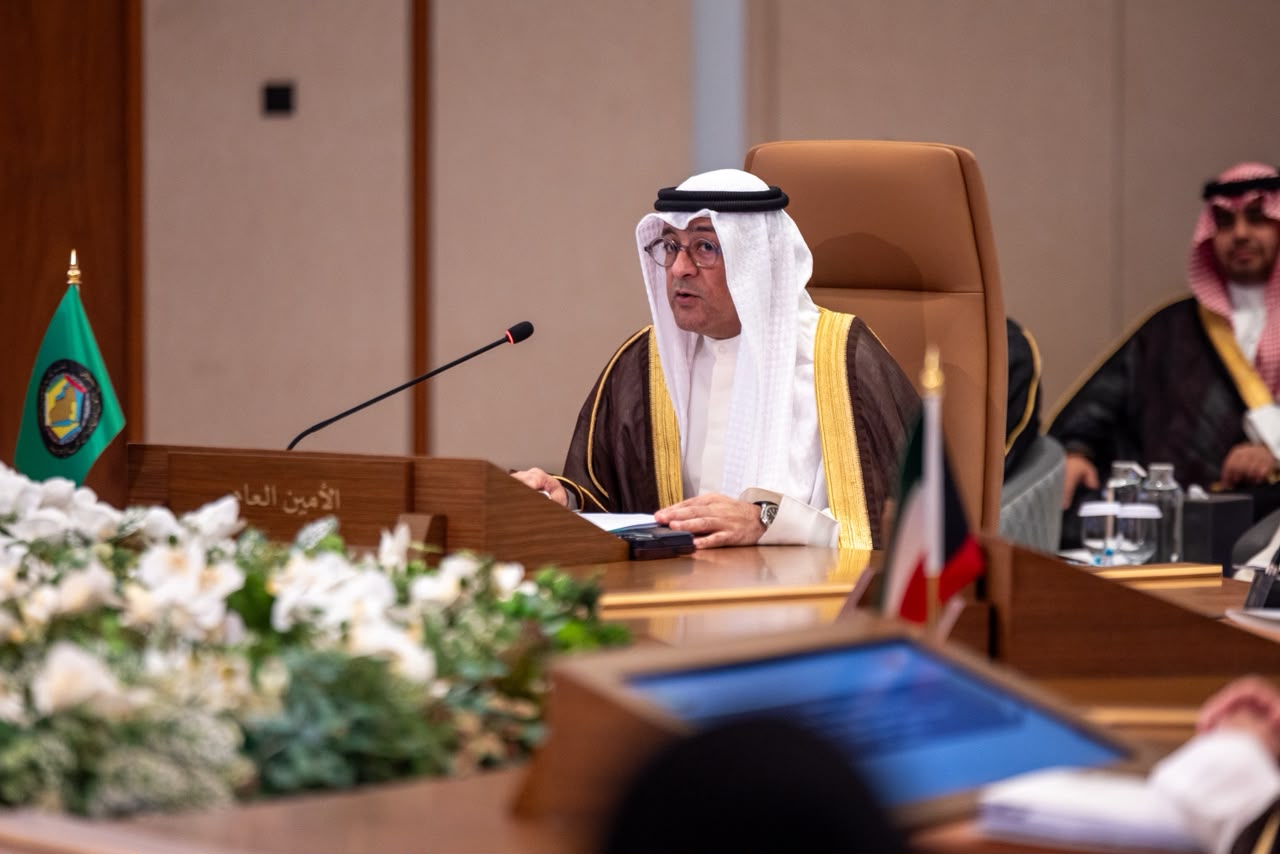
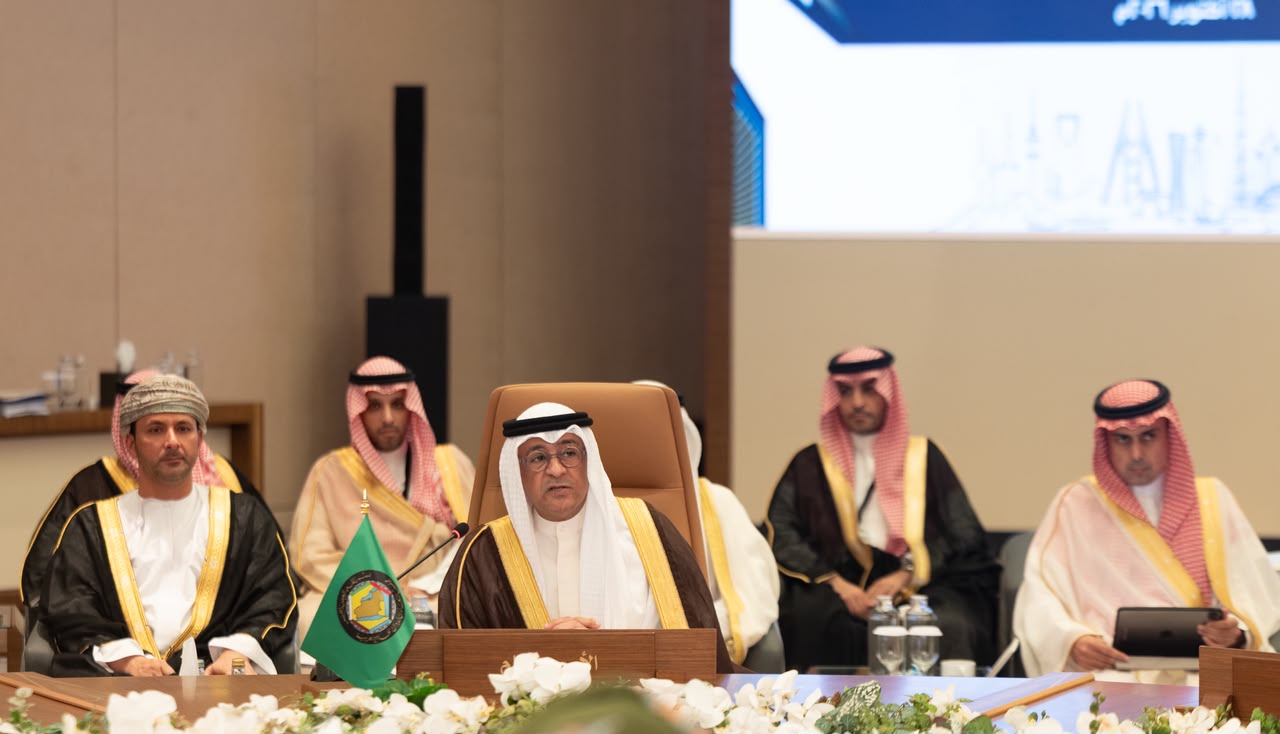
His Excellency Mr Jasem Mohamed Albudaiwi, Secretary General of the Gulf Cooperation Council (GCC), stated that in light of the rapid technological transformations witnessed by the world, and the broad horizons opened by the digital revolution and Artificial Intelligence (AI) for economies and societies, the GCC states continue to solidify their position among the world's leading nations in digital transformation. He added that this is supported by ambitious strategic visions, qualitative investments in infrastructure and advanced technologies, the development of government services, as well as the cultivation of national talent.
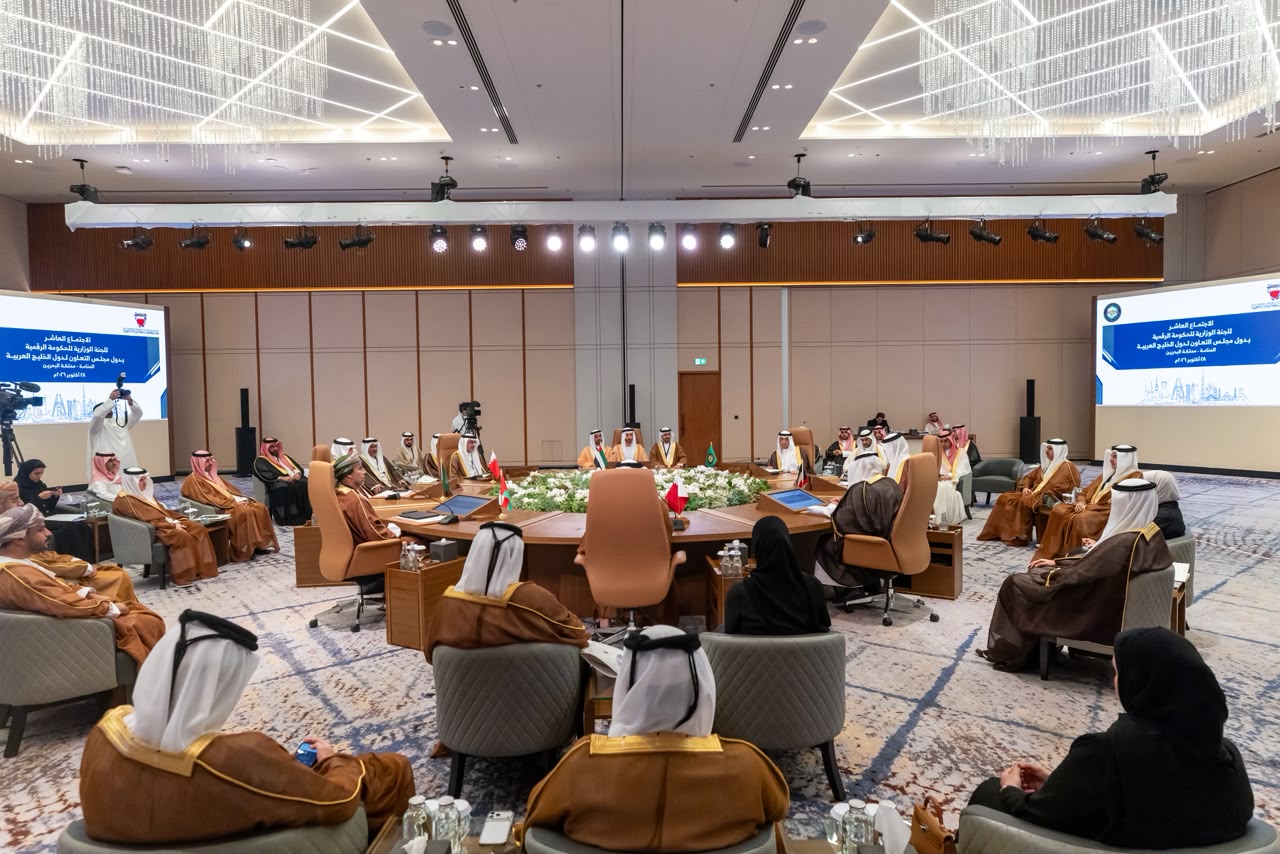
His Excellency's remarks came during his speech at the 10th Meeting of the GCC Ministerial Committee for Digital Government, held today, Wednesday, 28 October 2026, in the Bahraini capital, Manama. The meeting was chaired by His Excellency Lieutenant General Tariq bin Hassan Al Hassan, Chief of Public Security in the Kingdom of Bahrain and Chairman of the current session, in the presence of the members of the GCC Ministerial Committee for Digital Government.
At the outset of his speech, His Excellency the Secretary General extended his deepest expressions of thanks, appreciation, and gratitude to His Majesty King Hamad bin Isa Al Khalifa, King of the Kingdom of Bahrain and President of the current session of the Supreme Council, for the Kingdom of Bahrain's hosting of the 10th Meeting of the GCC Ministerial Committee for Digital Government. He also expressed his gratitude for the facilities and support the Kingdom of Bahrain has provided and continues to provide to ensure the success of the GCC's work, and for the support and attention that joint Gulf action receives from His Majesty and Their Majesties and Highnesses the Leaders of the GCC states across all fields.
During his speech, His Excellency the Secretary General stated that these efforts have been reflected in remarkable progress for the GCC states on the level of international indicators. "The Gulf average for the World Bank's GovTech Maturity Index rose from approximately 65 points in 2020 to 88 points out of 100 in 2025, surpassing the global average of approximately 59 points. Furthermore, the GCC states scored approximately 90 points out of 100 in the Digital Government Services Delivery Index, compared to a global average of approximately 66 points," His Excellency pointed out.
Moreover, His Excellency highlighted that this reflects the progress achieved by the GCC states in digital transformation, raising the efficiency of government services, and bolstering the business environment and economic competitiveness. He underscored that these results not only reflect the magnitude of the achievements but also affirm that the GCC states today possess the expertise, capabilities, and institutional capacity that qualify them to transition to a more advanced phase in the march of Gulf digital integration.
In the same context, His Excellency noted that the Guiding e-Government Strategy for the GCC States (2024–2030) and the GCC Artificial Intelligence Strategy (2026–2030)—presented to the GCC Digital Government Committee today for approval—acquire special significance in directing efforts, determining shared priorities, and transitioning Gulf digital projects to broader levels of coordination and integration. His Excellency concluded his statement by expressing his thanks and appreciation to the Digital Government Committee for their continuous efforts, which have contributed to elevating Gulf cooperation in this field and advancing it towards broader horizons of integration, innovation, and global leadership.