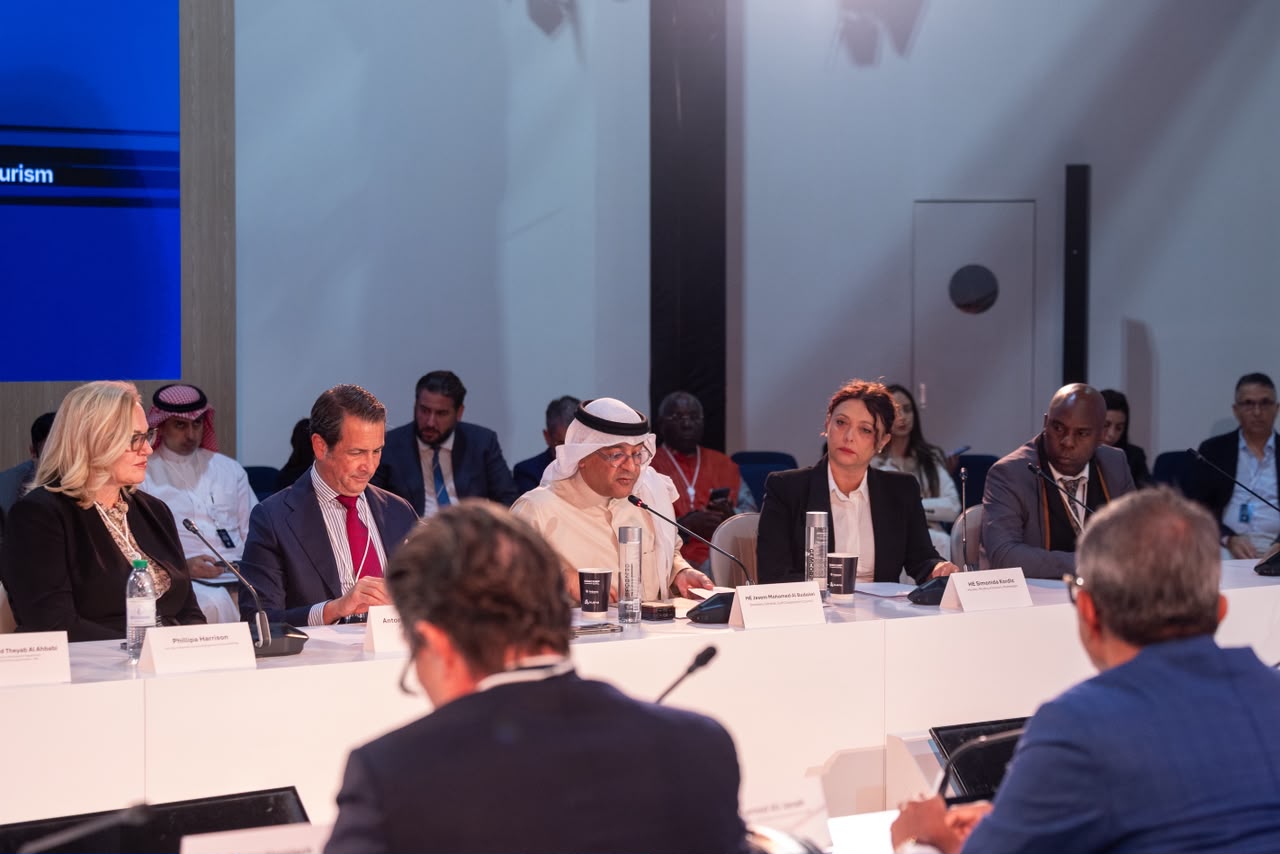
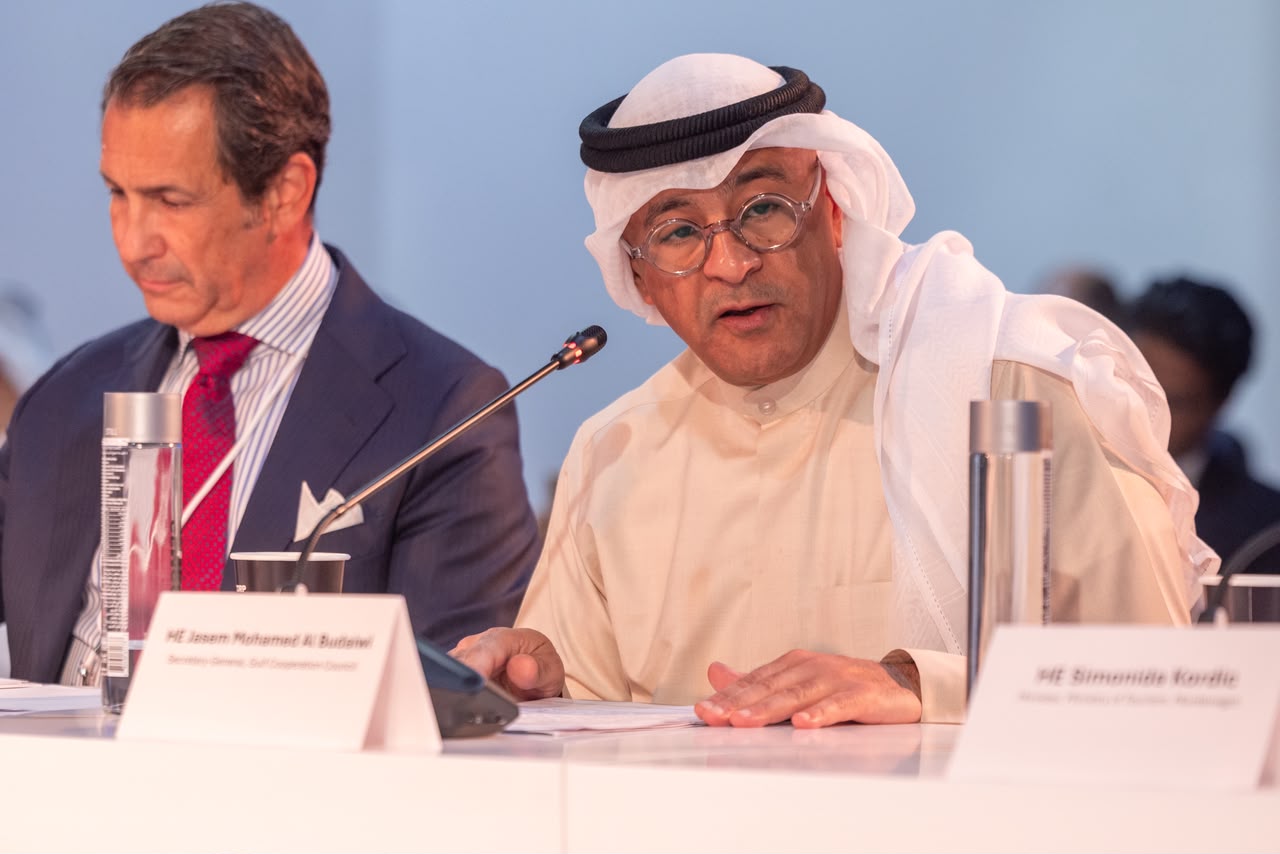
His Excellency Mr Jasem Mohamed Albudaiwi, Secretary General of the Gulf Cooperation Council (GCC), underlined that the GCC member states are advancing towards building an interconnected Gulf tourism investment ecosystem.
"This approach transcends attracting capital to standalone projects or individual destinations by linking the tourism sector directly with aviation, infrastructure, hospitality, technology, entertainment, and investment capital, thereby elevating the competitiveness of the GCC states and consolidating investor confidence across their markets," His Excellency added.
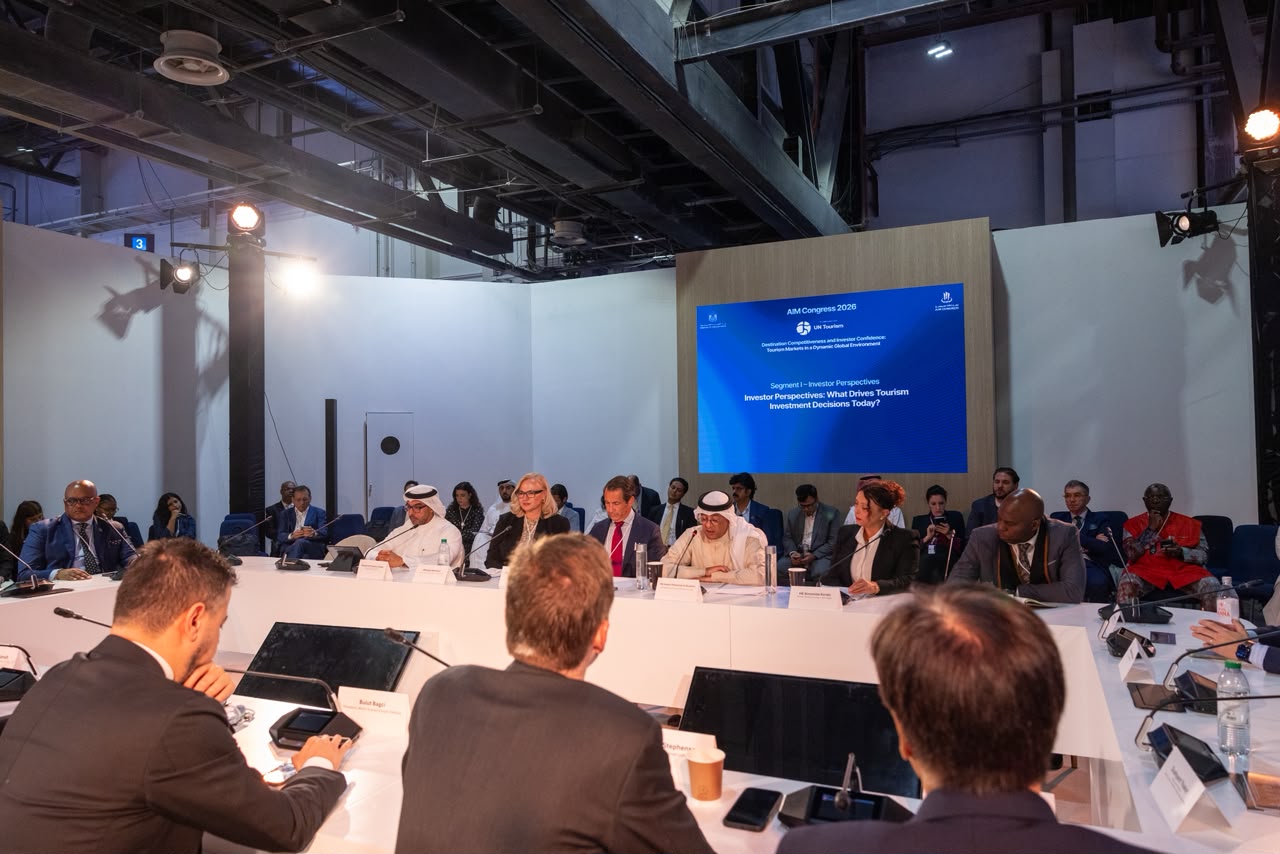
His Excellency’s remarks came during his participation in the High-Level Public-Private Dialogue on Tourism Investment, themed "Destination Competitiveness and Investor Confidence: Tourism Markets in a Dynamic Global Environment", held within the AIM Congress, today, Tuesday (8 September 2026), in Dubai, United Arab Emirates (UAE).
"Amidst rapid global shifts, investor confidence is no longer tied solely to market fundamentals, but is also shaped by risk perceptions," His Excellency explained. He pointed out that capital today seeks reliable institutions, clear and predictable regulations, trustworthy data, and the proven capacity of destinations to effectively manage disruptions while maintaining resilience and competitiveness in an evolving global landscape.
"Tourism has become a central pillar of economic diversification in the GCC states, serving as an expanding engine for investment, employment, and growth, while supporting a broad economic ecosystem spanning aviation, hospitality, transport, retail, entertainment, technology, and infrastructure," His Excellency stated.
Reviewing key indicators reflecting the scale and momentum of tourism investment opportunities across the GCC, His Excellency the GCC Secretary General indicated that the GCC member states welcomed approximately 75 million tourists in 2025, recording a 4.8% growth, with tourist spending exceeding USD 130 billion compared to around USD 37 billion in 2020. Furthermore, intra-GCC tourist arrivals surpassed 20 million visitors in 2025, marking an increase of nearly 3.6% compared to 2024.
His Excellency added that the direct and indirect contribution of the tourism sector to GCC economies surpassed USD 254 billion in 2025, accounting for 11.4% of total GDP and outperforming the global average of 10.3%. He indicated that tourism ranks among the fastest-growing sectors, with its economic contribution across the GCC recording an average annual growth rate of approximately 7.3% between 2019 and 2025, compared to 6.7% globally.
"Effective coordination among the GCC member states represents a vital element in sustaining connectivity, seamless mobility, and rapid responsiveness in the face of external developments and challenges. During periods of disruption, relevant authorities across the GCC activated direct coordination mechanisms to maintain travel flows and air connectivity, with the Emergency Air Traffic Management Coordination Team convening more than 65 meetings that facilitated rapid information exchange and unified decision-making," His Excellency emphasised.
Moreover, His Excellency clarified that the significance of this experience extends beyond the aviation sector, demonstrating that the GCC states possess the institutional mechanisms required to coordinate, respond, and ensure business continuity under challenging conditions.
He asserted that resilience and institutional alignment are no longer merely crisis management tools, but foundational investment assets that bolster destination appeal and entrench investor trust.
Furthermore, His Excellency affirmed that Gulf integration constitutes one of the GCC's greatest strengths and competitive advantages, stating: "Each member state has developed distinct tourism assets, ambitious strategies, and world-class destinations, fostering deeper connectivity, ease of movement, and joint tourism initiatives. This provides international investors with opportunities that go beyond a single destination into a broader Gulf market characterised by rising demand, world-class infrastructure, robust global connectivity, substantial investment capacity, and ambitious national visions."
His Excellency concluded by emphasising that the GCC's message is clear: member states should not merely be viewed as six leading individual tourism destinations, but rather as a unified, increasingly interconnected investment ecosystem founded on three core pillars: diversity in destinations, integration in opportunities, and unity in ambition.
"The ambition is not limited to establishing the GCC as one of the world's most prominent tourism regions, but extends to making it one of the most attractive, reliable, and competitive environments globally for tourism investment. Capital pursues opportunity, but settles where confidence resides. The responsibility of the GCC states is to ensure that exceptional tourism growth is matched with institutional credibility, policy clarity and stability, regional integration, and investor confidence capable of sustaining this momentum for decades to come," His Excellency summed up.