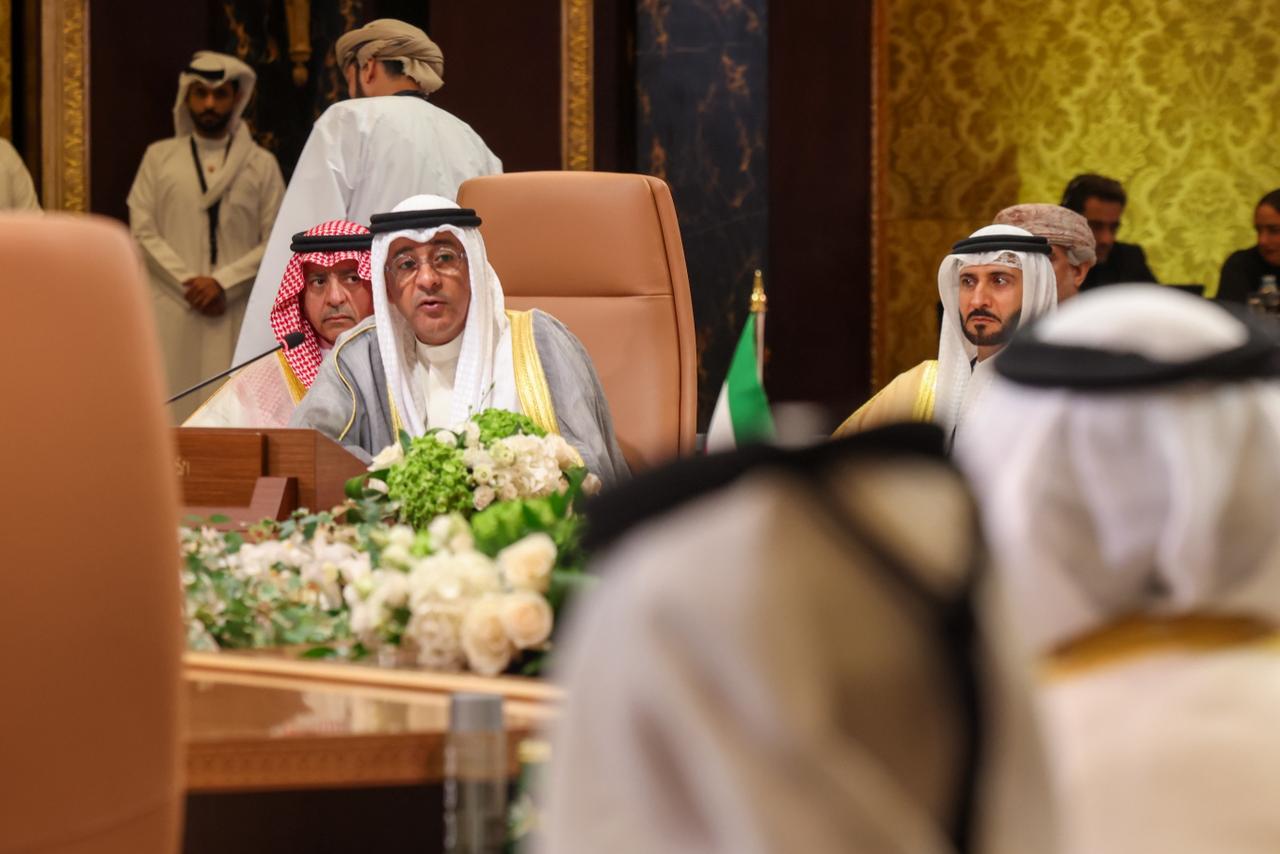
His Excellency Mr Jasem Mohamed Albudaiwi, Secretary General of the Gulf Cooperation Council (GCC), underscored that the agriculture and food security ecosystem in the GCC member states represents a strategic priority and a fundamental pillar in the journey of joint Gulf action.
"This stems from the GCC states' commitment to developing agricultural and food production, enhancing the sustainability and efficient utilisation of natural resources, elevating their capacity to secure food needs, and bolstering their readiness to face all developments and challenges," His Excellency stated.
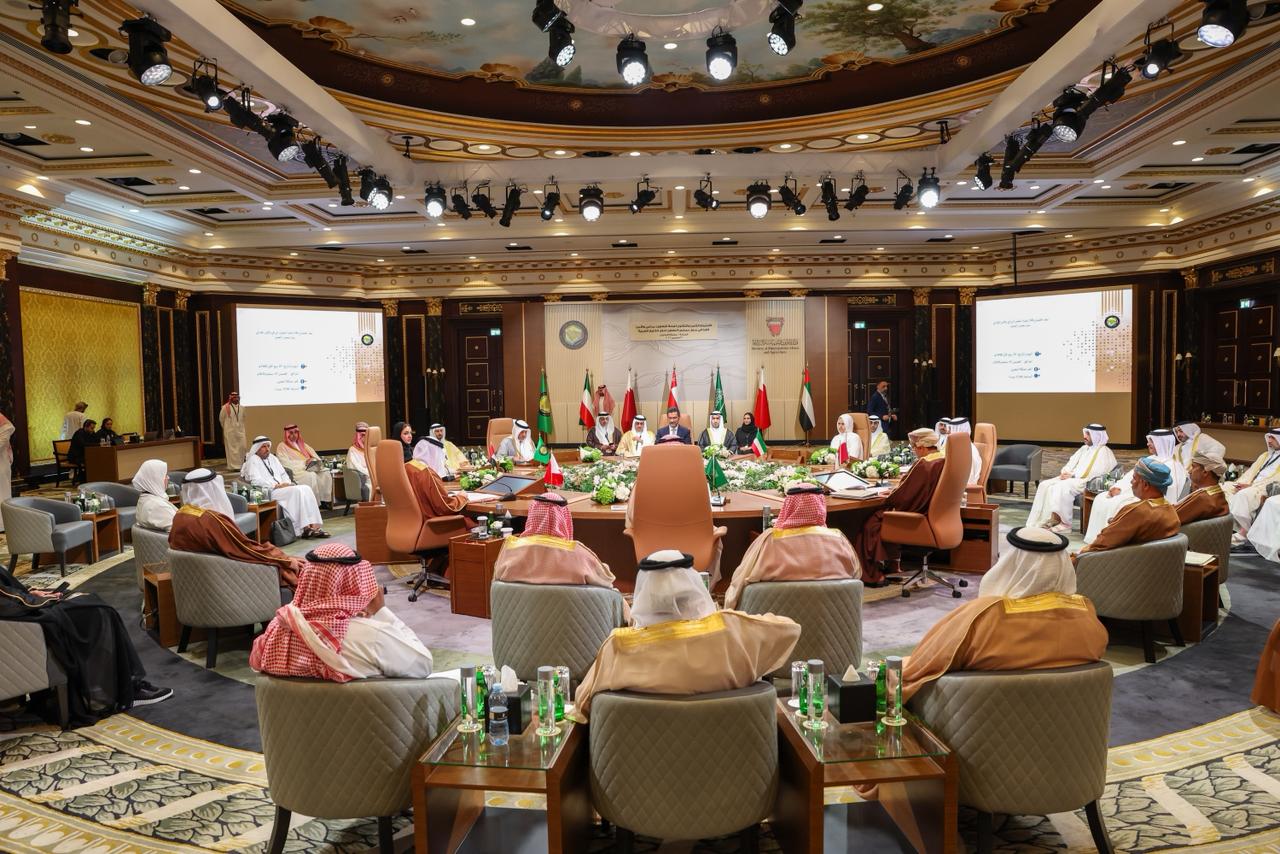
His Excellency's remarks came during the 38th Meeting of the Committee of Agricultural Cooperation and Food Security in the GCC States, held today, Thursday (3 September 2026), in the Bahraini capital, Manama. The meeting was chaired by His Excellency Eng. Wael bin Nasser Al Mubarak, Minister of Municipalities Affairs and Agriculture of the Kingdom of Bahrain—President of the current session—with the participation of Their Highnesses and Excellencies the Ministers responsible for agriculture and food security across the GCC states.
At the outset of his address, His Excellency the GCC Secretary General extended his highest expressions of thanks, appreciation, and gratitude to His Majesty King Hamad bin Isa Al Khalifa, the King of the Kingdom of Bahrain—President of the current session of the GCC Supreme Council—for the Kingdom of Bahrain’s hosting of this meeting, and for the facilities and support extended by the Kingdom of Bahrain to ensure the success of the GCC's work, commending the continuous support and attention joint Gulf action receives from His Majesty and Their Majesties and Highnesses, the Leaders of the GCC states, across all domains.
"The GCC member states' commitment to developing agricultural and food production was embodied in the outcomes of the 19th Consultative Meeting of the Supreme Council, held in Jeddah on 28 April 2026, and the supreme directives issued therein to elevate the readiness and capability of the GCC states to confront crises and challenges, including studying the establishment of GCC strategic storage zones," His Excellency explained.
In the same context, His Excellency the GCC Secretary General highlighted the qualitative initiatives and programmes witnessed across the GCC states in agriculture and food security, reflecting their firm commitment to bolstering food security and building a sustainable Gulf food ecosystem capable of facing challenges and changes.
"In this regard, the United Arab Emirates (UAE) has enhanced the utilisation of innovation and agricultural technologies in developing qualitative crops that support sustainable local production, in cooperation with the International Center for Biosaline Agriculture (ICBA); the Kingdom of Bahrain continues its efforts to develop the agricultural sector and support local production and agricultural projects; the Kingdom of Saudi Arabia is working to strengthen strategic food reserves, develop early warning systems, support sustainable agricultural production, and reduce food loss and waste; the Sultanate of Oman continues to adopt programmes and projects aimed at boosting local production, developing value chains, and enhancing private sector participation; the State of Qatar is pressing ahead with the implementation of its National Food Security Strategy 2030; and the State of Kuwait is working to support agricultural production and reinforce its strategic food reserves," His Excellency pointed out.
His Excellency underlined that these efforts constitute a fundamental tributary to achieving the objectives of the GCC Food Security Strategy and enhancing the capability of the GCC states to build a more integrated, resilient, and sustainable Gulf food ecosystem.