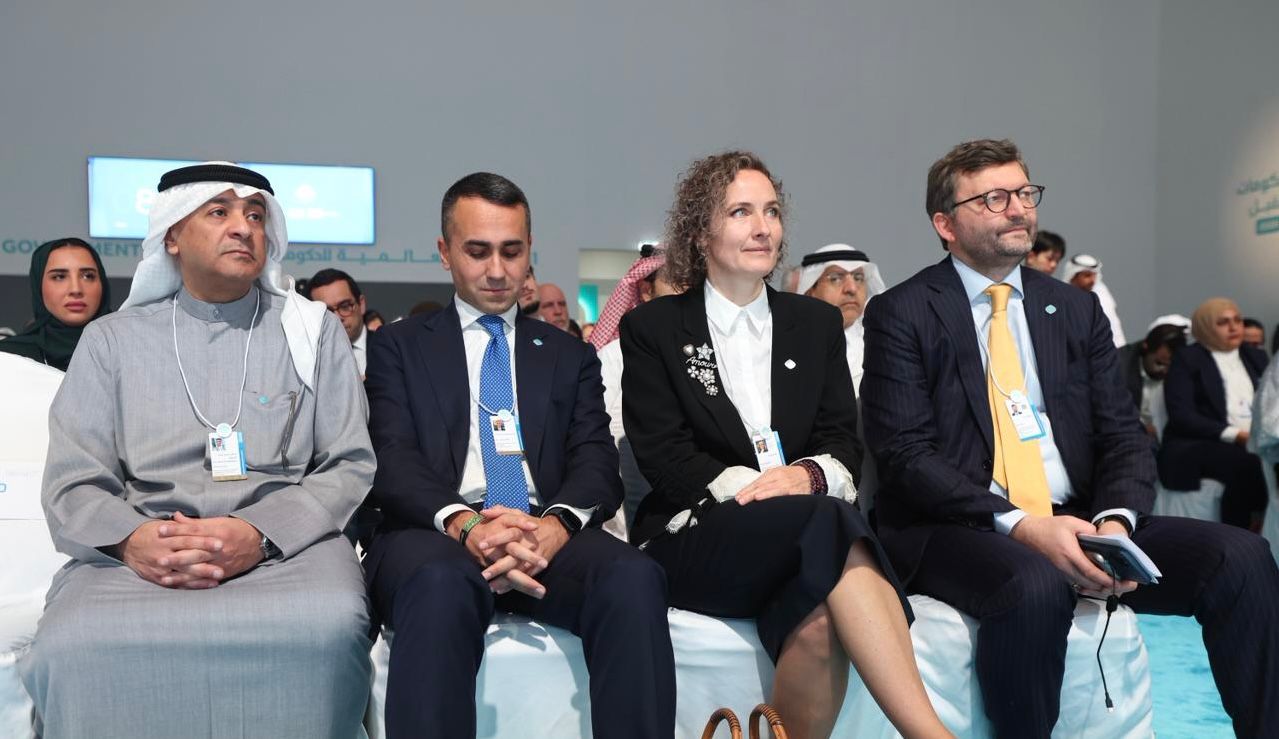
His Excellency Mr Jasem Mohamed Albudaiwi, Secretary General of the Gulf Cooperation Council (GCC), stated that Gulf-European economic relations are shifting from traditional trade exchange toward building integrated, long-term joint value chains.
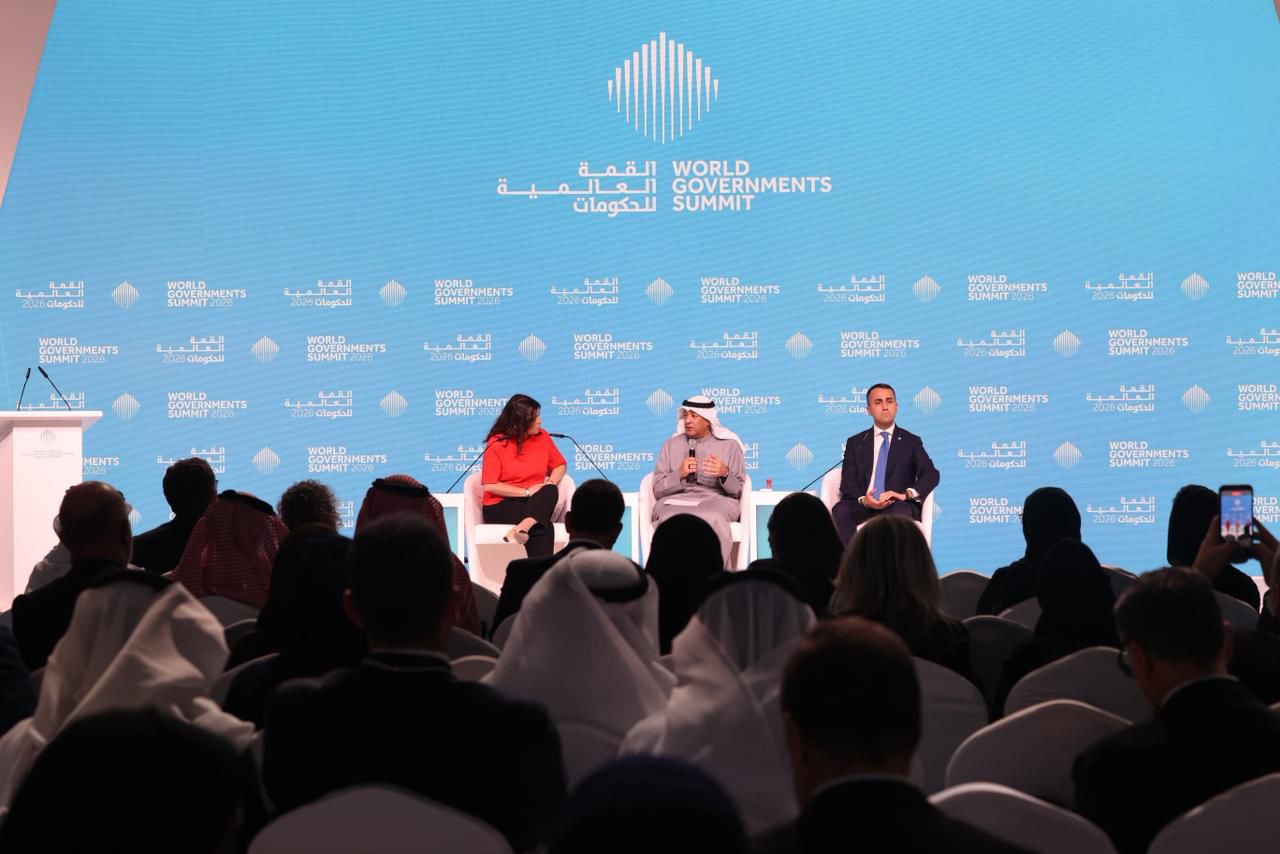
This statement was made during a panel discussion titled "Where Will Trade and Capital Flow Next?”,
held for His Excellency alongside His Excellency Luigi Di Maio, the European Union (EU) Special Representative for the Gulf Region, on Tuesday, February 3, 2026. The session took place on the sidelines of the World Governments Summit (WGS) 2026, held under the theme "Shaping Future Governments."
During his participation, His Excellency Mr Albudaiwi stressed that the partnership between the GCC and the EU is deeply rooted, based on a long history of institutional cooperation initiated by the 1988 Cooperation Agreement.
"This agreement established a solid framework for political and economic dialogue, opening broad horizons for collaboration in trade, investment, energy, development, and education," His Excellency indicated.
He stated that this partnership has witnessed a qualitative leap in recent years, particularly with the adoption of the Joint Action Programme (2022–2027) and the convening of the GCC-EU Summit in Brussels.
"These milestones, followed by ministerial meetings, focused on implementing key outcomes, enhancing trade and investment cooperation, improving market access, and supporting sustainable development and supply chains," His Excellency underscored.
His Excellency highlighted that the volume of commodity trade between the two regions has reached approximately $197 billion, cementing the EU’s position as one of the GCC’s most vital trading partners.
Furthermore, the growth of European Foreign Direct Investment (FDI) in GCC countries reflects deep economic interdependence and growing confidence in the Gulf’s business environment, His Excellency the GCC Secretary General explained.
Addressing future prospects, His Excellency Mr Albudaiwi stressed that the economic transformation within the GCC, driven by ambitious national visions, offers vast opportunities for partnership with the EU—particularly in clean energy, green hydrogen, digital transformation, Artificial Intelligence, smart infrastructure, and cybersecurity.
In conclusion, His Excellency asserted that the success of the GCC-EU partnership is measured not only by trade volume or investment flows but by its ability to evolve into an integrated model of cooperation based on trust, shared risk, and a collective economic future that contributes to global stability and growth.