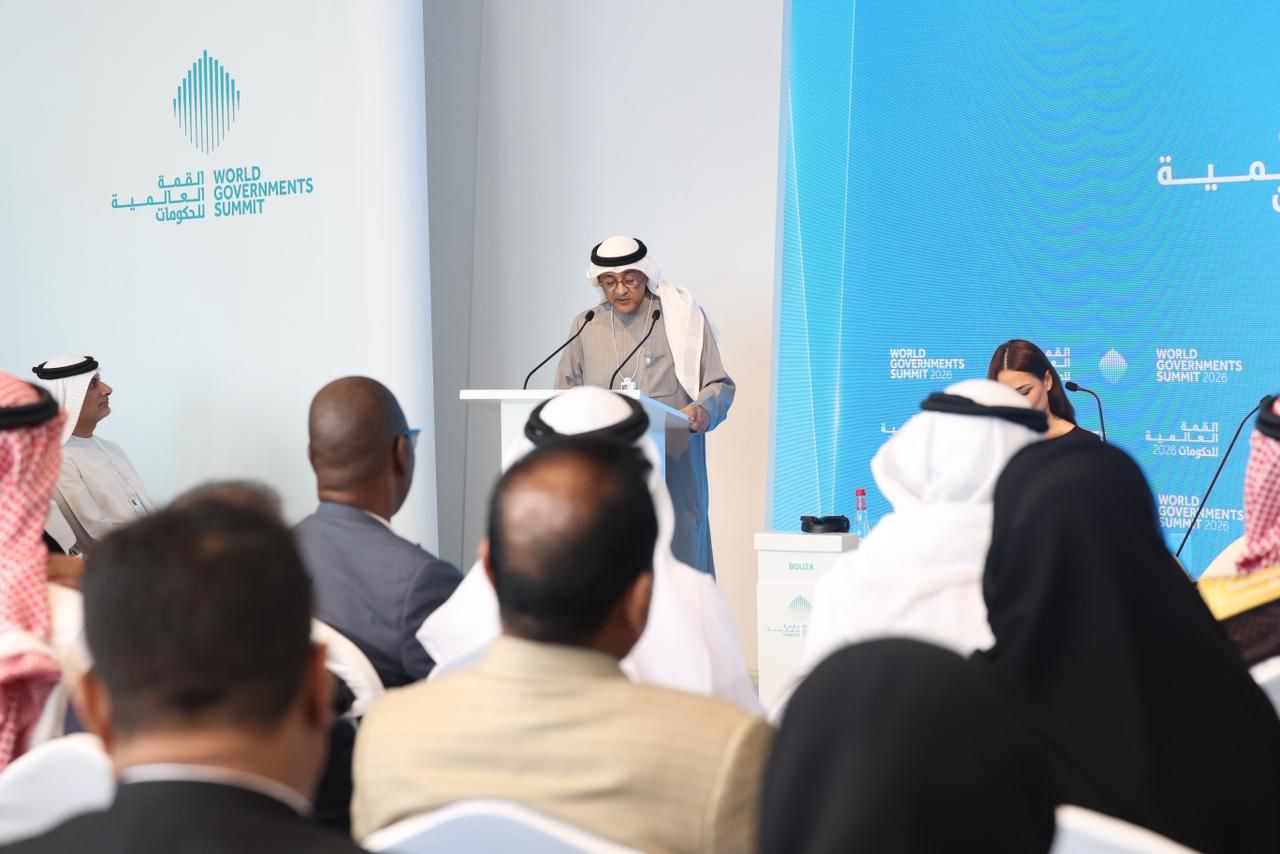
His Excellency Mr Jasem Mohamed Albudaiwi, Secretary General of the Gulf Cooperation Council (GCC), asserted that the Blue Economy constitutes a pivotal new pillar for sustainable development and the deepening of economic integration across GCC member states. He noted that the region's strategic geographical and maritime advantages uniquely empower the Council to assume a leadership position in this sector at both the regional and international levels.
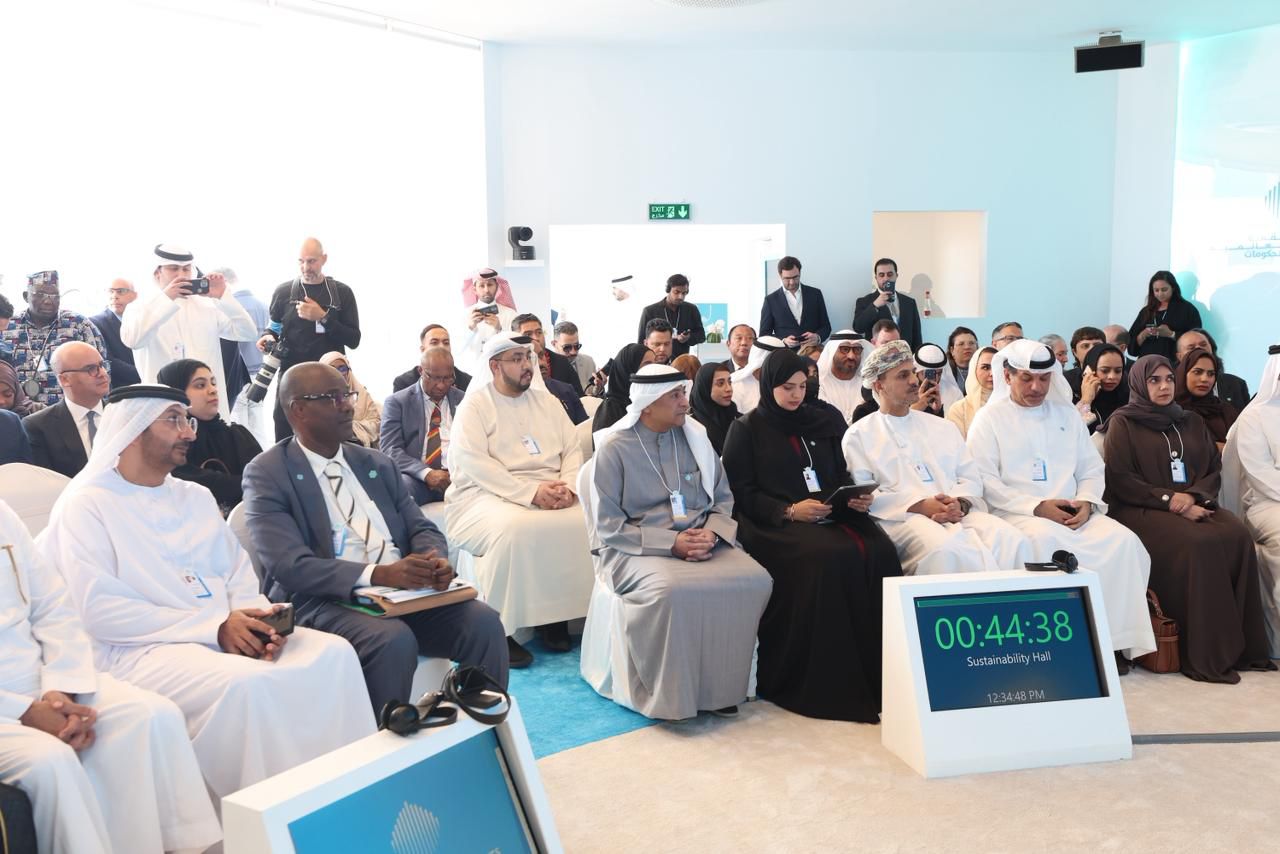
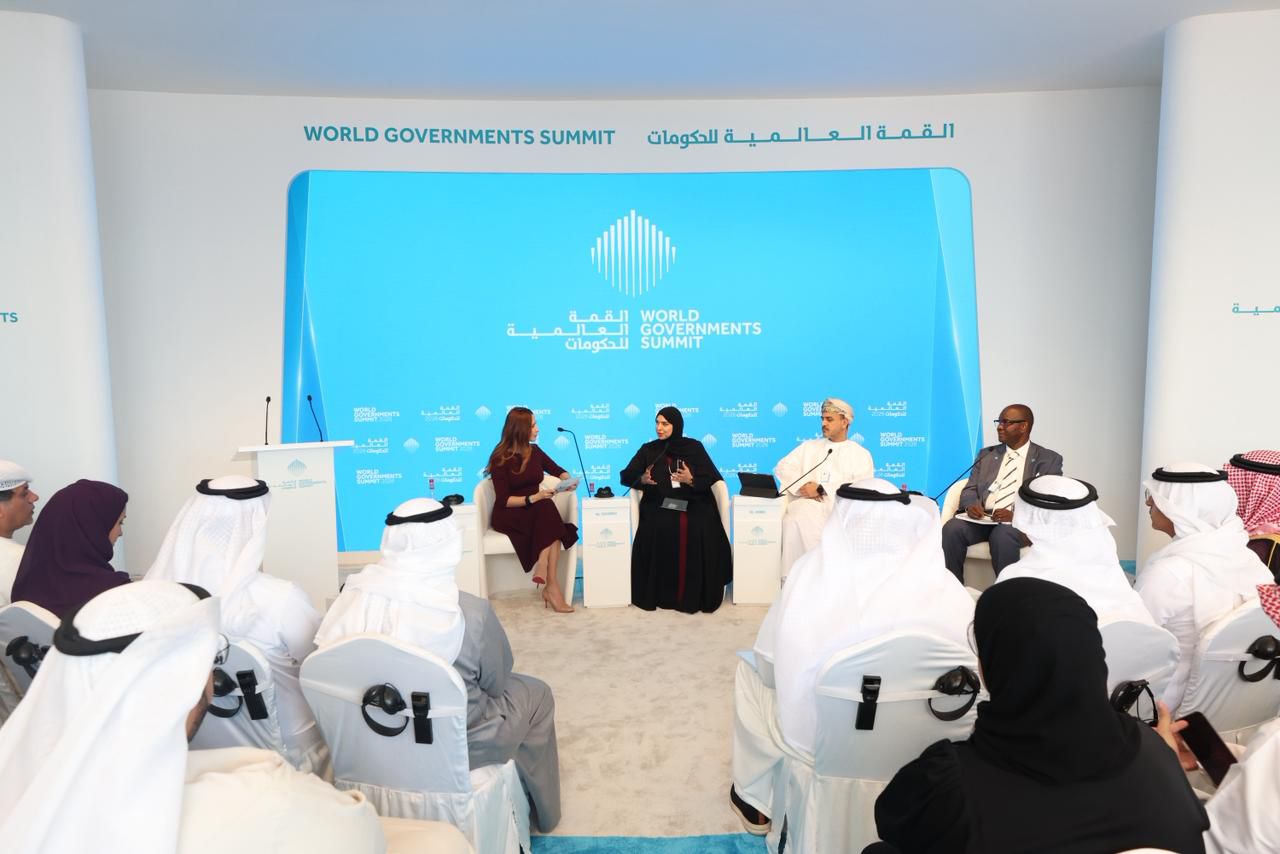
These remarks were delivered during HE the Secretary General’s address at a roundtable titled " The Blue Economy: A New Pillar for Sustainable Development and Integration in GCC States”. The session was convened on Tuesday (February 3, 2026) on the sidelines of the World Governments Summit (GWS) 2026, held under the theme "Shaping Future Governments”.
HE the Secretary General underscored that the GCC states benefit from expansive coastlines and a uniquely strategic position, which establishes the Blue Economy as a fundamental component of their broader economic diversification strategies. He further highlighted that the market value of the Blue Economy within the Council is estimated to exceed USD180 billion as of 2025, with projections indicating a substantial rise to approximately USD269 billion by 2032.
"This growth is anticipated to manifest across several high-impact sectors, including fisheries and aquaculture, sustainable coastal and marine tourism, as well as specialised maritime logistics and supply chain services," His Excellency stated.
He further noted: "On a global scale, the Blue Economy contributes roughly 2.5% to global Gross Domestic Product and sustains more than 30 million jobs worldwide, maintaining a projected annual growth rate of 5% through 2030. Within this global framework, the GCC member states possess significant opportunities in marine renewable energy, water desalination and the advancement of food and water security, all of which directly support regional carbon neutrality and sustainable development objectives."
Moreover, HE the Secretary General emphasised the critical role of innovation and modern technologies, such as digital transformation, Artificial Intelligence (AI), and the Internet of Things (IoT), in the development of smart ports and the enhancement of maritime operational efficiencies.
“Environmental sustainability remains the true foundation of the Blue Economy, necessitating the preservation of marine ecosystems and biodiversity while proactively addressing the persistent challenges of pollution and climate change to protect the marine environment,” he commented.
His Excellency further explained that deepening integration among GCC member states is set to collectively boost the economic returns of the Blue Economy, underlining that this objective will be achieved through the harmonisation of policies and legislation, alongside the streamlining of port protocols and procedures.
Elaborating further, HE the Secretary General noted that the General Secretariat, represented by the Economic and Development Affairs Sector, is currently developing a comprehensive working paper to establish a unified Gulf vision for the Blue Economy, which will serve as a foundational step toward crafting an integrated regional strategy in this domain.
HE Mr Albudaiwi concluded his address by reaffirming that the Blue Economy presents a strategic opportunity for GCC nations to bolster sustainable growth, diversify revenue streams and solidify the region’s standing as a premier global hub for maritime services and supply chains. He expressed his aspiration for the outcomes of this session to effectively transform strategic visions and ideas into tangible and impactful results.