His Excellency Mr Jasem Mohamed Albudaiwi, Secretary General of the Gulf Cooperation Council (GCC), underlined that Gulf culture represents a fundamental pillar for the cohesion of the GCC societies and an active force in shaping awareness and forging the future.
He stressed the importance of bolstering integration in cultural and creative facets in order to highlight the civilisational and humanitarian heritage of the GCC states and cement their presence in regional and international fora.
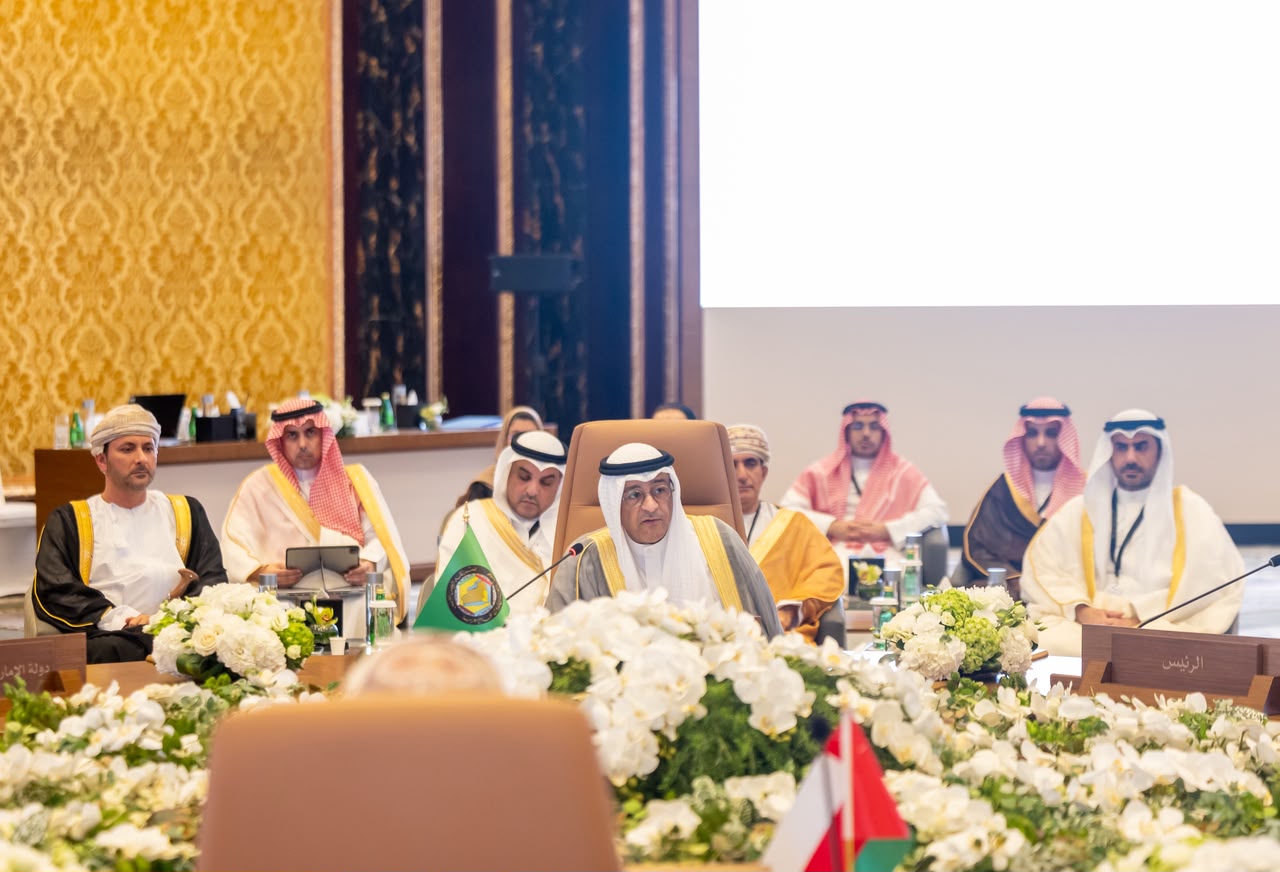
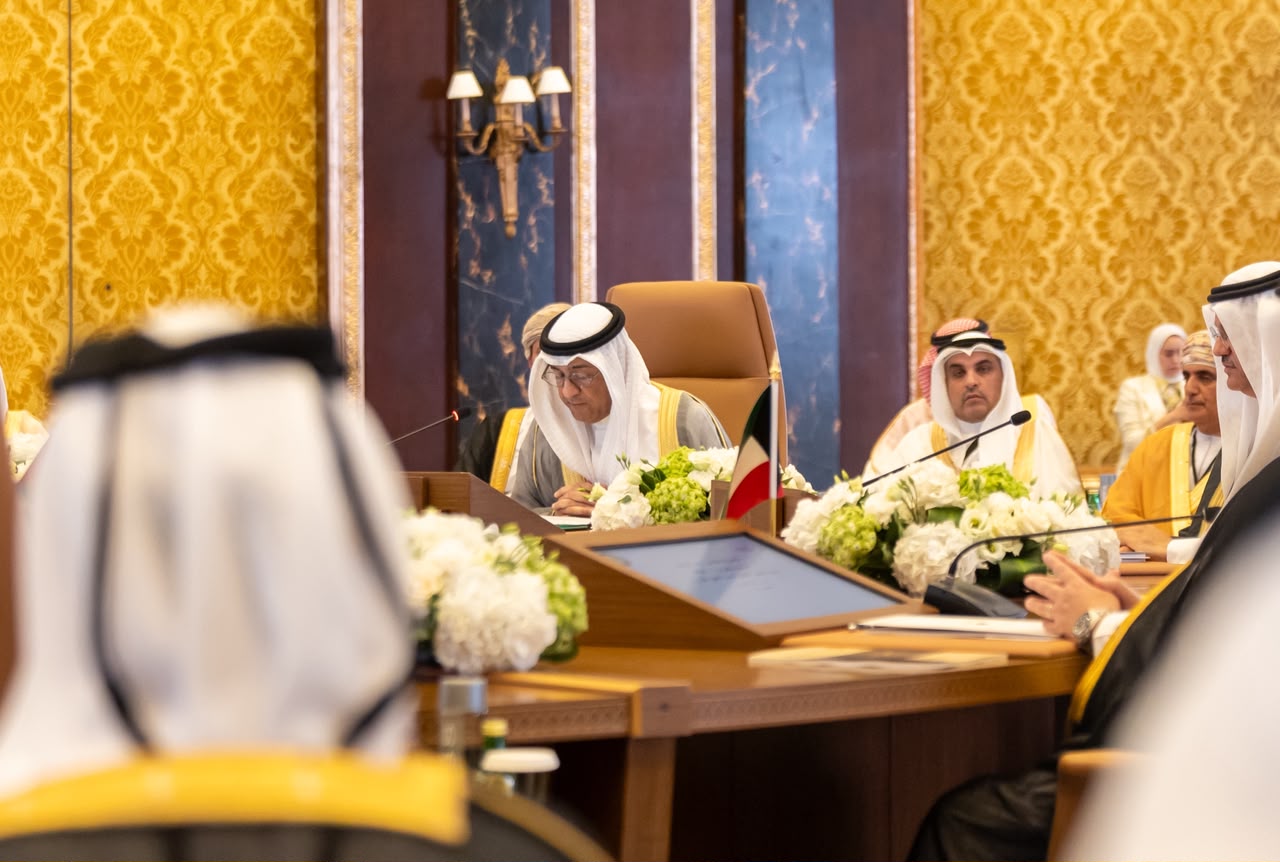
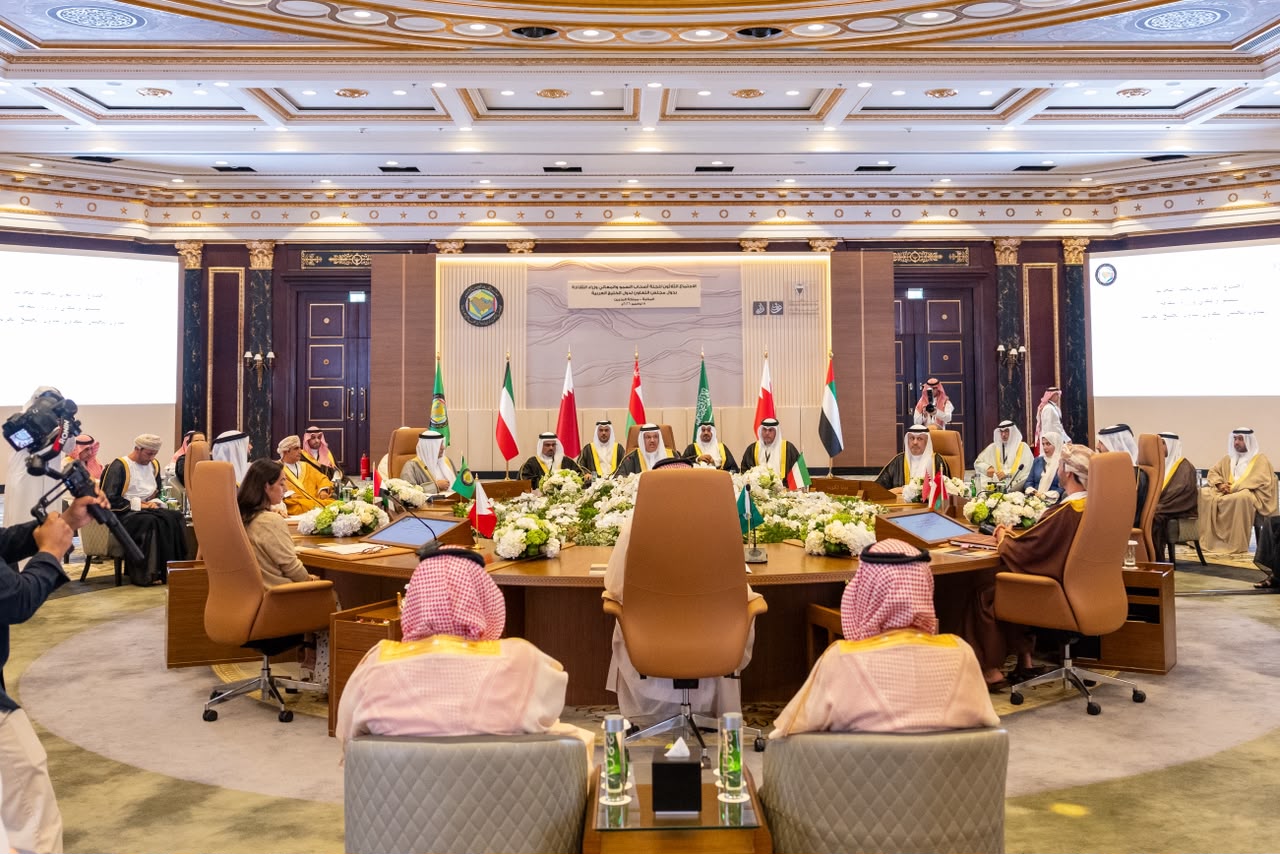
His Excellency's remarks were made during the 30th meeting of Their Highnesses and Excellencies the Ministers of Culture of the GCC states, held today, Thursday, 5 November 2026, in the Bahraini capital, Manama.
The meeting was chaired by His Excellency Shaikh Khalifa bin Ahmed bin Abdullah Al Khalifa, President of the Bahrain Authority for Culture and Antiquities in the Kingdom of Bahrain and Chairman of the current session of the Committee, with the attendance of Their Excellencies the Ministers of Culture of the GCC states.
At the outset of his speech, His Excellency the Secretary General extended his highest expressions of thanks, appreciation, and gratitude to His Majesty King Hamad bin Isa Al Khalifa, King of the Kingdom of Bahrain and President of the current session of the Supreme Council, for the Kingdom of Bahrain's hosting of this meeting, and for the facilities and support it provides to ensure the success of the GCC's work.
He valued the support and attention accorded to joint Gulf action by His Majesty and Their Majesties and Highnesses the Leaders of the GCC states. His Excellency also expressed his thanks to His Excellency the President of the Bahrain Authority for Culture and Antiquities for the warm hospitality, gracious reception, and outstanding organisation and preparation for the meeting.
"The bonds uniting the GCC states are grounded in an enduring history, an ancient civilisational legacy, and an established cultural identity forged across generations, which has consistently served as a source of strength and cohesion for Gulf societies. The GCC states have succeeded, under the directives of their leaderships, in protecting this heritage, developing their cultural institutions, and launching qualitative initiatives that have contributed to safeguarding heritage, nurturing creativity, and bolstering the presence of Gulf culture globally," His Excellency explained.
Moreover, His Excellency the Secretary General reviewed a number of statistical indicators reflecting the progress of the cultural sector in the GCC states, noting that they host nearly 300 museums and more than 170 public libraries, embodying the dedication to cultural heritage and the enhancement of cultural infrastructure.
He also noted that cultural events across the GCC states attract more than 5.5 million visitors, with the participation of over 8,000 exhibitors and publishing houses, signifying the growing vibrancy of the Gulf cultural movement.
Furthermore, His Excellency underlined that the Gulf ambition lies in empowering culture to contribute to shaping the future, building bridges of communication between peoples, and showcasing the distinct civilisational and developmental model of the GCC states.
He underscored its role in consolidating societal cohesion, promoting the values of openness and dialogue, and conveying the rich human and creative heritage of the GCC states to the world.
In this context, His Excellency the Secretary General pointed to the special significance of the GCC Action Plan for Cultural and Creative Industries for the period 2027–2030, describing it as an opportunity to advance cultural cooperation towards more integrated projects and programmes.
"These initiatives are built upon defining priorities, developing implementation mechanisms, and measuring outcomes to support the achievement of the shared objectives of the GCC states in this sector," His Excellency said.
His Excellency also explained that working to develop the Gulf Index for Cultural and Creative Industries and the Cultural Statistics Platform represents a significant step towards establishing a unified information base that supports planning and decision-making, while allowing the measurement of the cultural and creative sector's contribution to the economies of the GCC states.