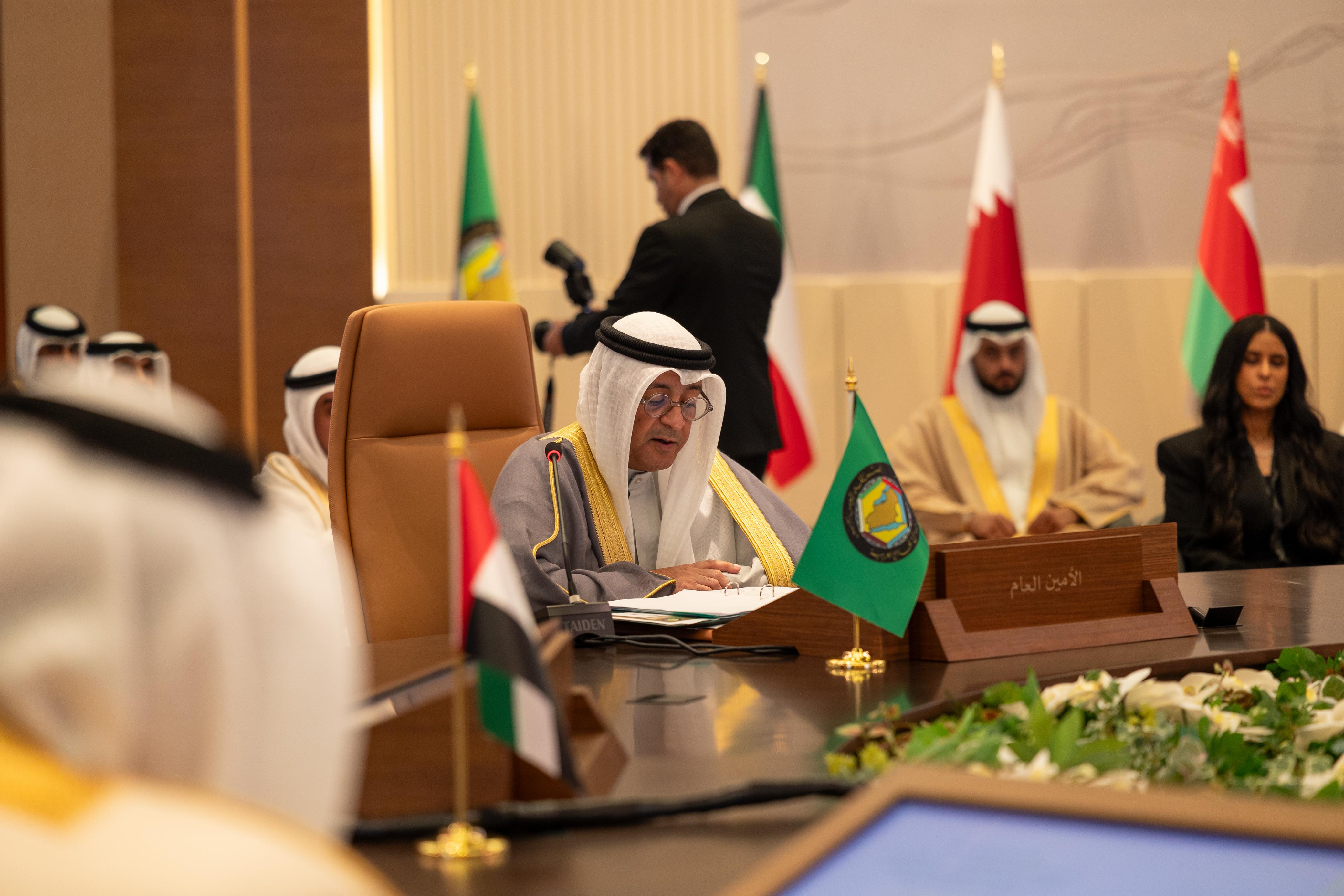
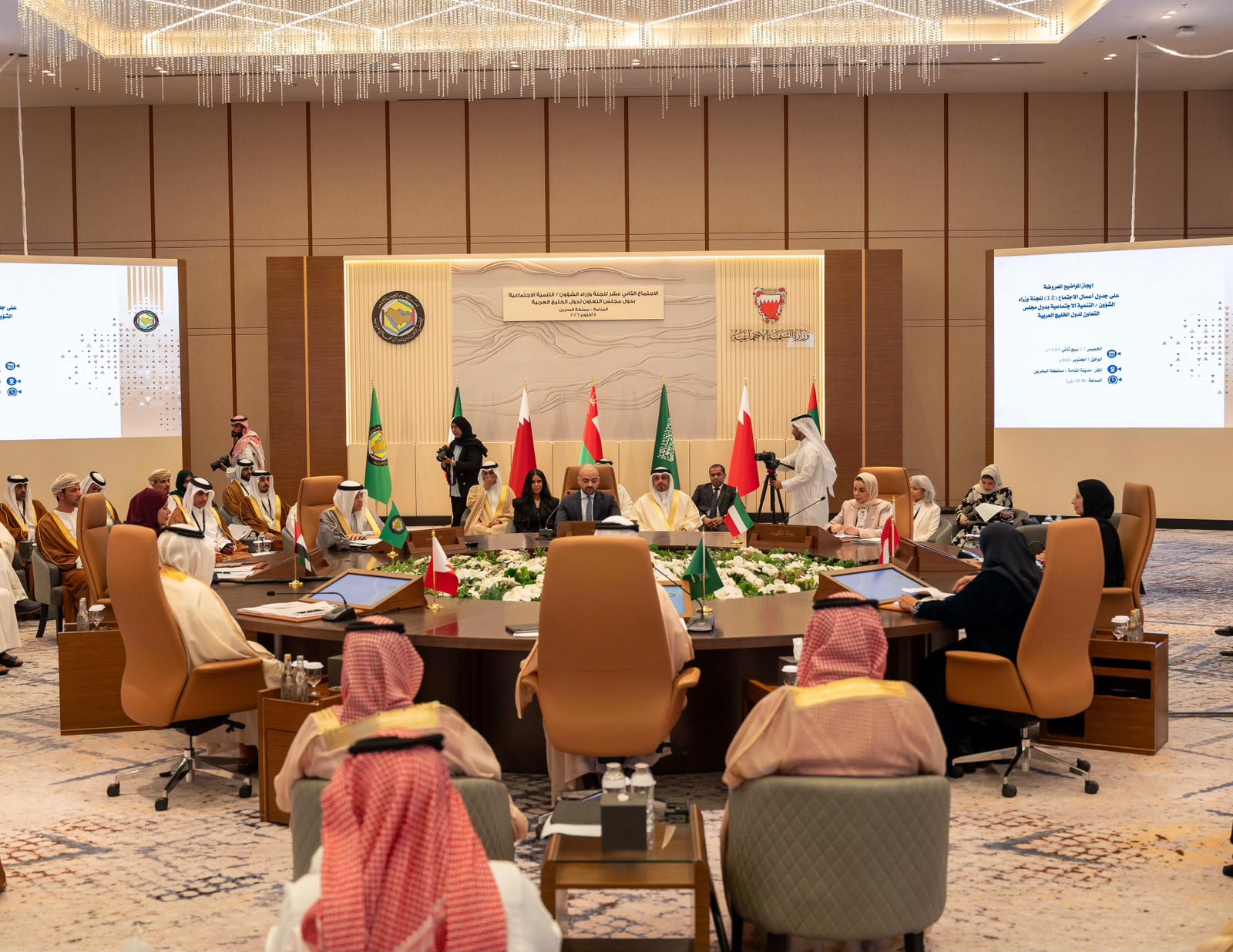
His Excellency Mr Jasem Mohamed Albudaiwi, Secretary General of the Gulf Cooperation Council (GCC), underscored that social development—particularly concerning the family and all segments of society—constitutes a fundamental pillar of joint Gulf action and ranks among the foremost priorities of Their Majesties and Highnesses the Leaders of the GCC states.
His Excellency’s remarks came during the 12th Meeting of the Committee of Ministers of Social Affairs and Social Development of the GCC, held today, Thursday (October 8, 2026), in the Bahraini capital, Manama, chaired by His Excellency Mr Osama bin Saleh Al Alawi, Minister of Social Development in the Kingdom of Bahrain and Chairman of the current session, and attended by Their Excellencies the Ministers responsible for Social Affairs and Social Development across the GCC member states.
At the outset of his address, His Excellency the Secretary General expressed his highest thanks, appreciation, and gratitude to His Majesty King Hamad bin Isa Al Khalifa, King of the Kingdom of Bahrain and President of the current session of the GCC Supreme Council, for the Kingdom of Bahrain’s hosting of this meeting, and for the facilities and support Bahrain continues to extend to ensure the success of GCC endeavours. He also commended the steadfast support and attention accorded to joint GCC action by His Majesty alongside Their Majesties and Highnesses the Leaders of the GCC states across all fields.
His Excellency highlighted the significant and active role played by the Committee in advancing joint Gulf action in social development—particularly regarding the family and community segments—amid rapid demographic growth. "The GCC population exceeded 63 million in 2025, according to the latest figures from the GCC Statistical Centre (GCC-Stat), underscoring the magnitude of the shared responsibility to formulate family and social policies capable of keeping pace with this growth and its accompanying transformations," His Excellency stated.
Moreover, His Excellency pointed out that at the heart of the family lies the child, representing the future of Gulf societies and the primary investment in human development. Citing 2024 data, he noted that children under the age of 15 account for more than 20% of the total GCC population—over one-fifth of Gulf society—a figure that reinforces the imperative of continuously developing an integrated child care and protection ecosystem, improving the quality of education and healthcare, safeguarding children from violence, abuse, and exploitation, and addressing emerging challenges posed by the digital world, including digital safety, privacy, and the safe, responsible use of modern technologies.
In the same vein, His Excellency stressed the importance of placing older persons at the core of social policies, noting that demographic projections indicate the number of elderly individuals (aged 65 and above) in GCC states may surpass 5.5 million by 2050.
He stated that this shift necessitates developing social and health protection systems, promoting active ageing, reinforcing the family's role in elder care, and drawing upon their accumulated expertise and contributions to community development.