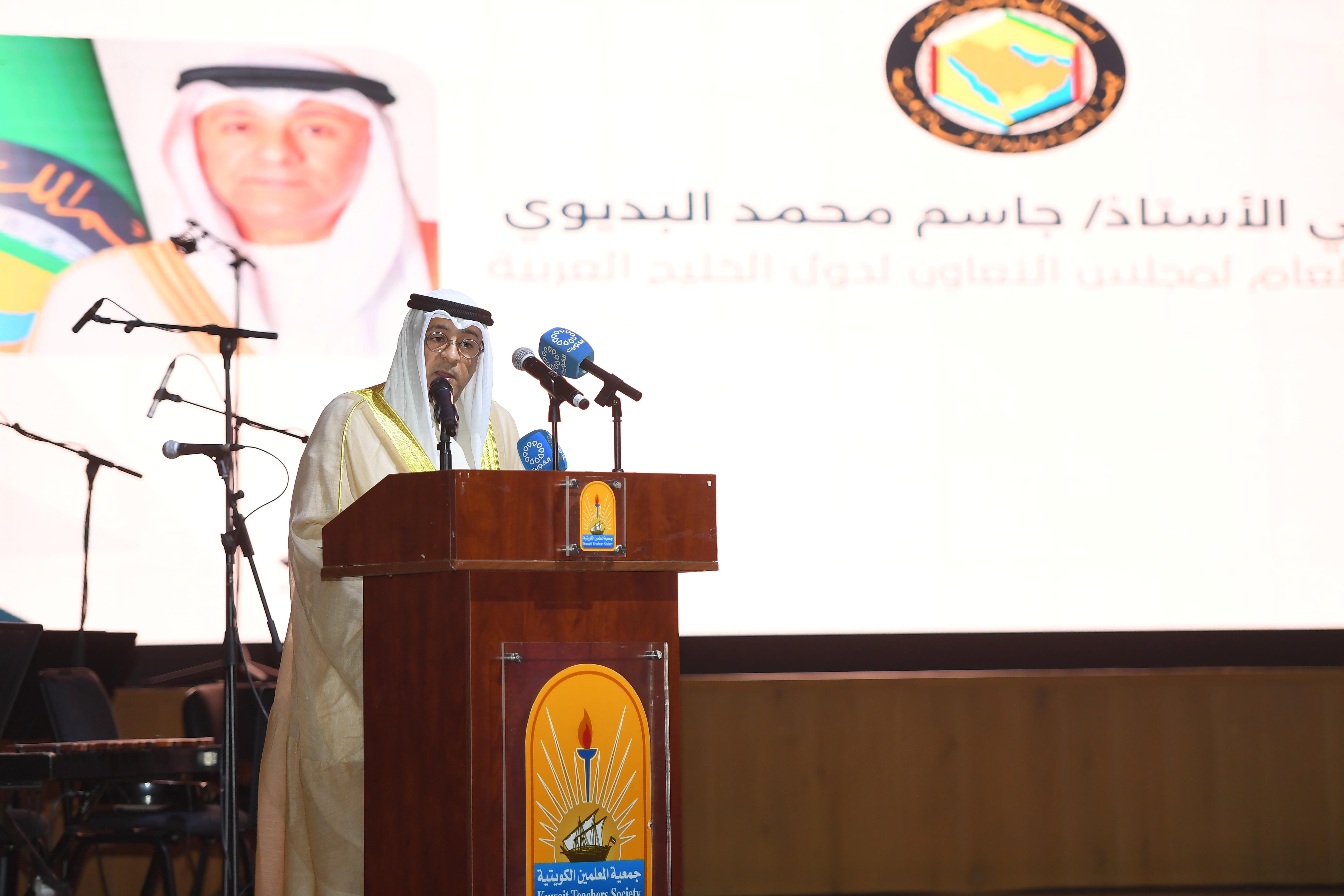
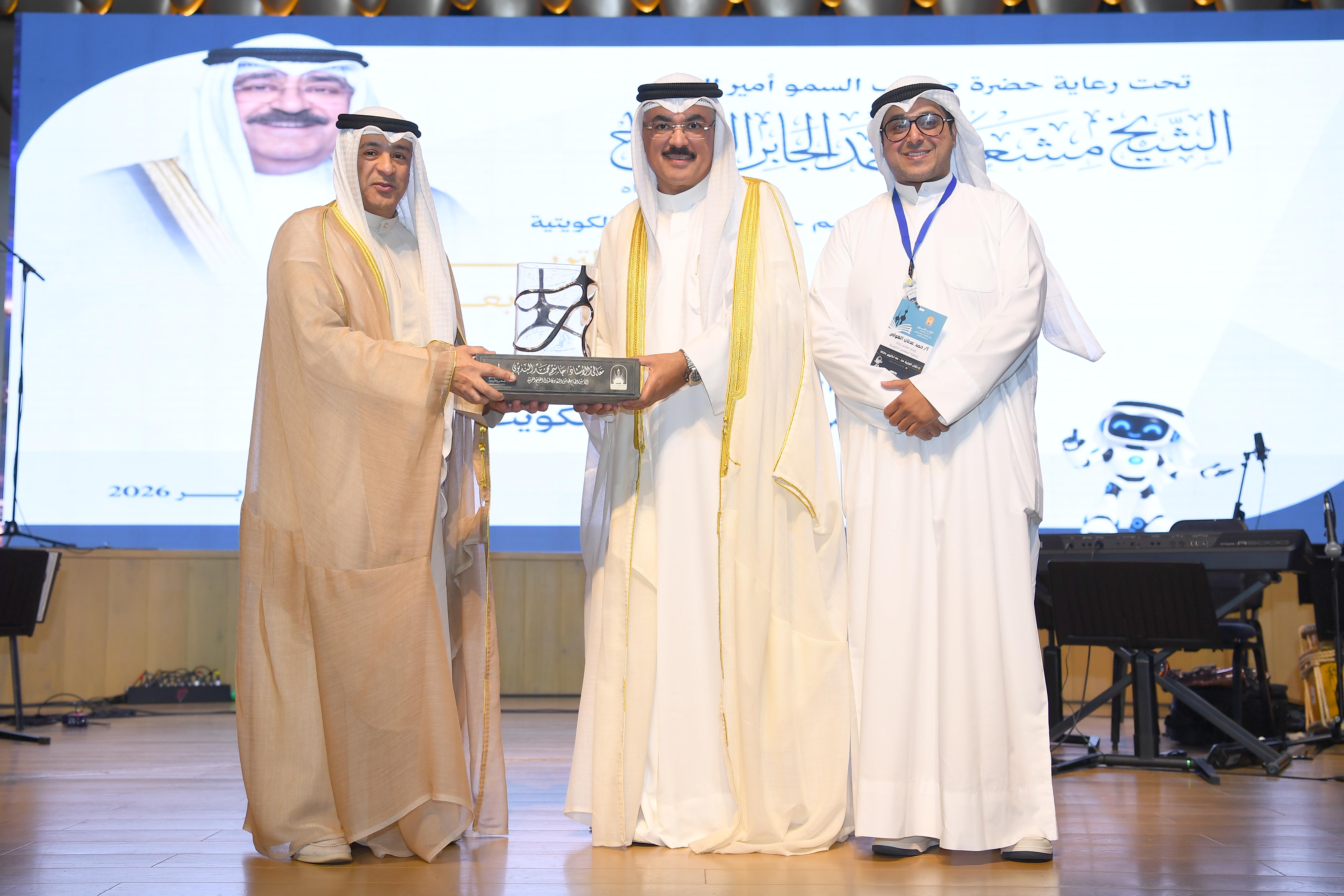
His Excellency Mr Jasem Mohamed Albudaiwi, Secretary General of the Gulf Cooperation Council (GCC), stated that the convening of the 46th Educational Conference under the theme “Innovative Visions for a Sustainable Educational Future in Kuwait” reflects the attention the GCC states attach to developing the educational process.
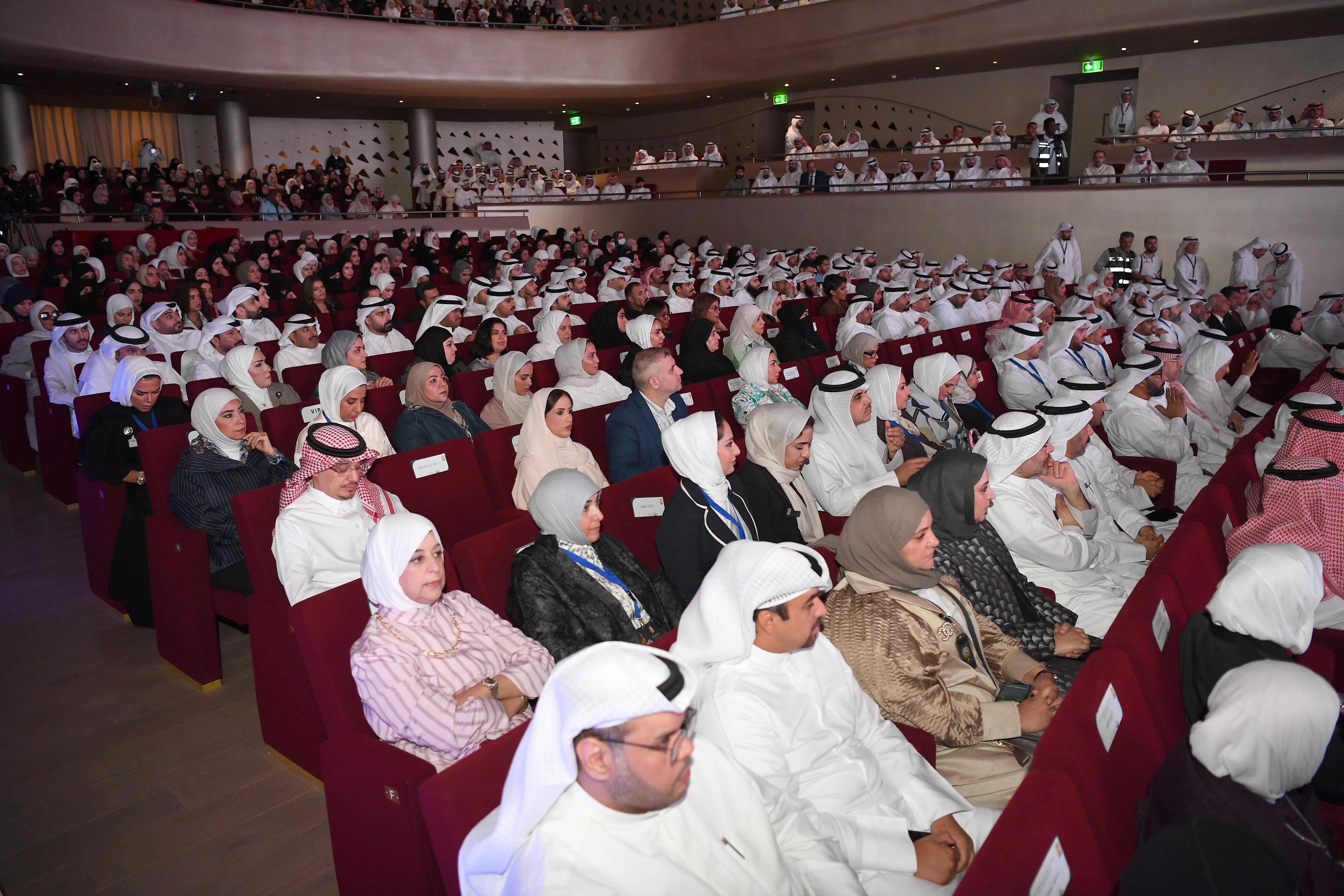
This came during HE the Secretary General’s participation in the Conference, held under the patronage of His Highness Shaikh Mishal Al Ahmad Al Jaber Al Sabah, Emir of the State of Kuwait, and in the presence of His Excellency Eng. Sayed Jalal Al Tabtabaei, Minister of Education of the State of Kuwait, on Sunday (October 4, 2026), in Kuwait City, with the participation of many specialists, academics and educators.
At the outset of his speech, HE the Secretary General extended the highest expressions of appreciation and gratitude to His Highness Shaikh Mishal Al Ahmad Al Jaber Al Sabah, Emir of the State of Kuwait, for his generous patronage of this conference, and for the continued support and great care extended by His Highness, and by Their Majesties and Highnesses, the Leaders of the GCC states, to the journey of joint GCC action.
He stressed that this comes in fulfilment of the aspirations of the citizens of the GCC states for further cooperation, integration and prosperity, praying to Allah Almighty to continue blessing the GCC states with security, safety and prosperity.
During his speech, His Excellency stated that the idea of establishing the GCC emerged to achieve coordination, integration and interconnection among the GCC states across all fields, leading to their unity through strengthening ties and enhancing cooperation among their peoples in various areas, and through establishing similar systems across different fields, most notably the educational and cultural sectors.
Commenting further, His Excellency said: “The journey of joint educational action in fact preceded the establishment of the GCC in 1981, through the Arab Bureau of Education for the Gulf States, which was founded in 1975 under the supervision of the ministers of education at the time. This, in itself, is clear evidence that education stands at the forefront of the priorities of the GCC states, especially as it represents the nucleus of joint GCC action and our tool for progress and development across various fields.”
HE the Secretary General indicated that education is one of the most important pillars of building human capital, and a key driver of comprehensive progress and the achievement of sustainable development goals. He noted that the honourable indicators witnessed today in public education across the GCC states reflect the scale of care, attention and continuous strategic investment in future generations.
“Among the most prominent of these indicators during the 2024–2025 academic year are more than 11 million male and female students enrolled in public education across the GCC states, representing around 17.4% of the total population of the GCC states, with more than 45,000 schools and educational institutions serving students across the various stages of public education; and more than 960,000 male and female teachers supervising students’ education and developing their knowledge, skills and capabilities,” he explained.
In the same context, HE the Secretary General underlined that one of the clearest examples of the concept of “Gulf citizenship” and GCC integration is the number of students who are citizens of GCC states studying in public schools in other member states, mentioning that this number exceeded 41,000 male and female students during the 2025–2026 academic year, representing a practical translation of the directives of Their Majesties and Highnesses, the Leaders of the GCC states, to facilitate education and open its doors to the people of the GCC states across the region.
Elaborating further, His Excellency said: “As an extension of this journey, joint GCC action in education continues to move towards more ambitious and future-oriented horizons. Their Excellencies the Ministers of Education in the GCC states have approved the Strategic Plan for Innovation and Entrepreneurship in Higher Education, while the approval to prepare the Strategic Plan for Joint Action in Education for 2027–2032 further affirms the continued development of the system of cooperation and educational integration among the GCC states, in line with development needs and future labour market requirements.”
HE the Secretary General concluded his speech by stressing the importance of monitoring and following up on the developments witnessed by the world across numerous fields, such as AI, innovation, digital transformation, modern technologies and space technology.
He highlighted that this requires those concerned with education to view education and curricula through different perspectives and approaches from those traditionally adopted, in order to keep pace with these developments and ensure that students are prepared to deal with these advances and modern technologies.
His Excellency expressed his hope that the work and discussions of this conference would contribute to formulating quality recommendations and outcomes that can be translated into practical and tangible steps, supporting the development of education in the GCC states and reflecting positively on the present and future of our sons and daughters.