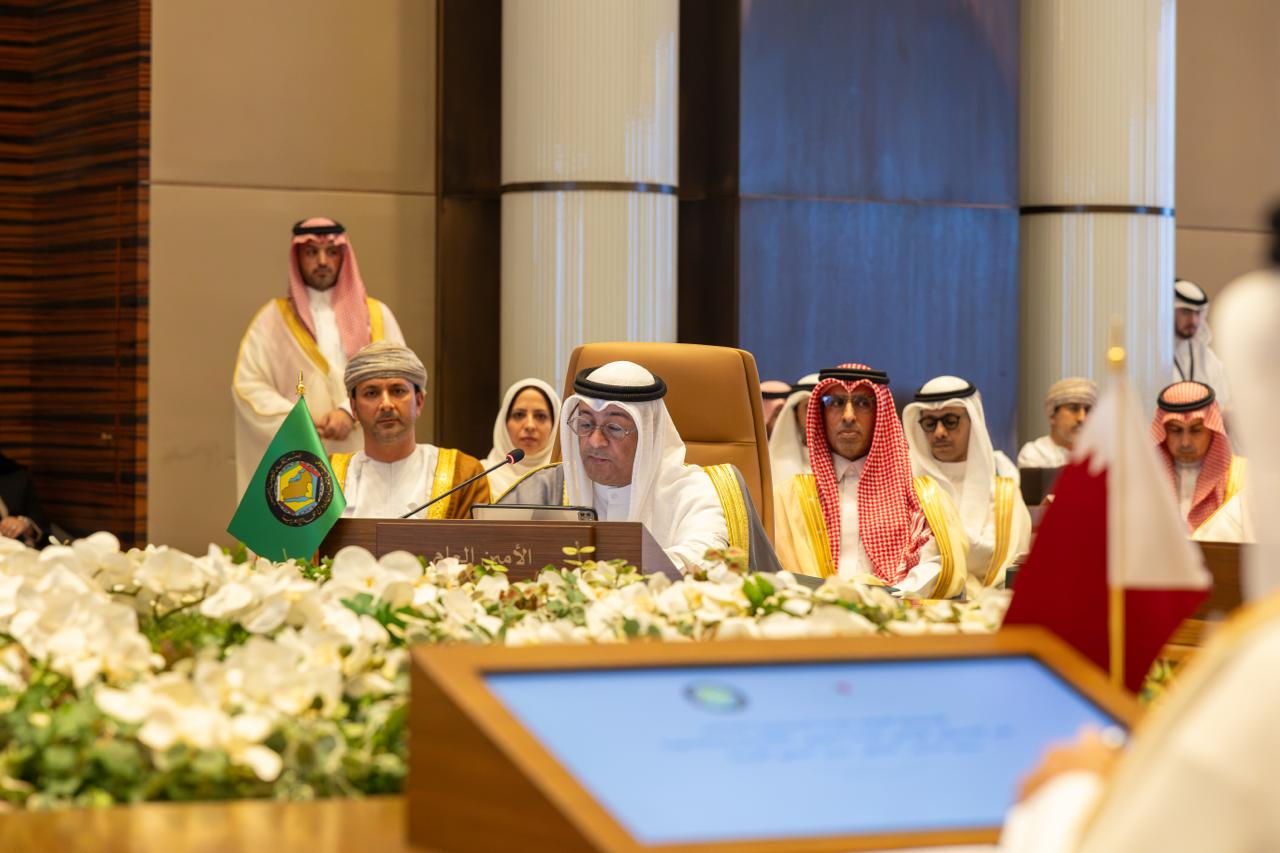
His Excellency Mr Jasem Mohamed Albudaiwi, Secretary General of the Gulf Cooperation Council (GCC), stated that accelerating economic unity pathways and completing the Customs Union and the GCC Common Market constitute crucial pillars for bolstering the competitiveness of GCC economies, consolidating their capacity to address global shifts, and achieving sustainable development.
His Excellency underscored that the Permanent Preparatory Committee at the Ministerial Level of the Economic and Development Affairs Authority holds growing significance in advancing and following up on these projects through the formulation of policies, initiatives, and practical programmes that yield tangible results in the journey of economic integration among GCC member states.
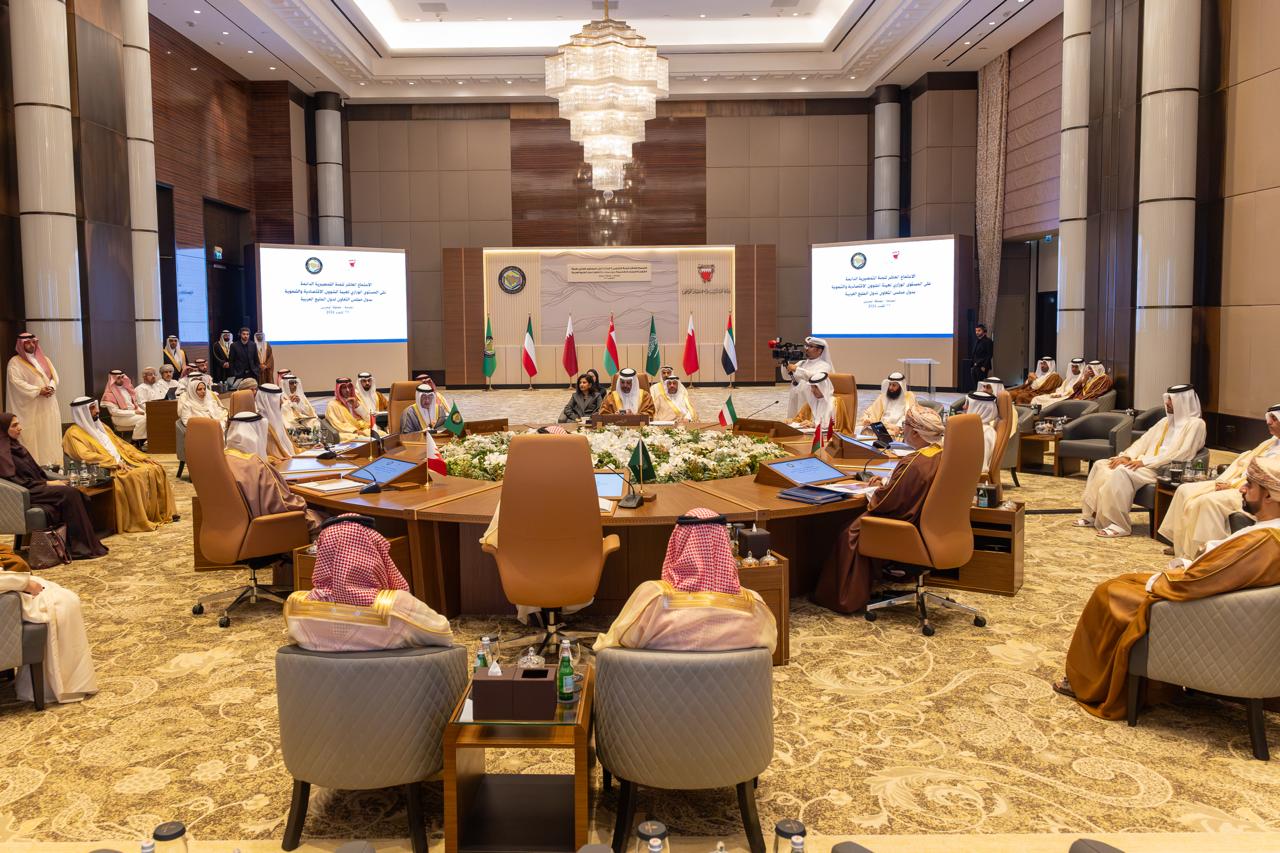
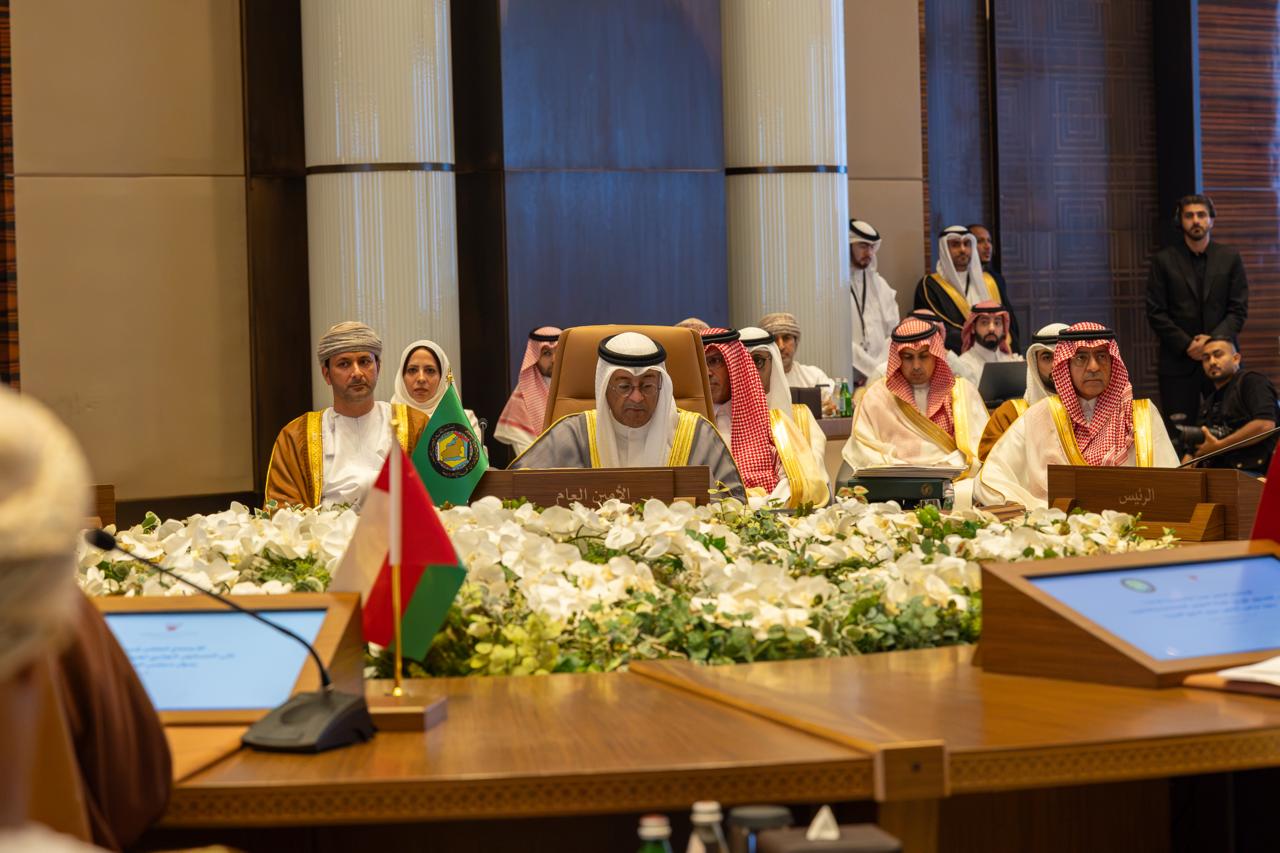
His Excellency’s remarks were delivered during the 10th Meeting of the Permanent Preparatory Committee at the Ministerial Level of the GCC Economic and Development Affairs Commission, held today, Sunday (October 11, 2026), in the Bahraini capital, Manama, chaired by His Excellency Shaikh Salman bin Khalifa Al Khalifa, Minister of Finance and National Economy in the Kingdom of Bahrain and Chairman of the current session, and attended by Their Excellencies the members of the Ministerial Preparatory Committee across the GCC member states.
At the outset of his address, His Excellency the Secretary General expressed his highest thanks, appreciation, and gratitude to His Majesty King Hamad bin Isa Al Khalifa, King of the Kingdom of Bahrain and President of the current session of the GCC Supreme Council, for the Kingdom of Bahrain’s hosting of the meeting, and for the facilities and support extended to ensure the success of GCC endeavours. He also commended the steadfast support and attention accorded to joint GCC action by His Majesty alongside Their Majesties and Highnesses the Leaders of the GCC states across all fields.
His Excellency highlighted that the meeting convenes amid rapid economic and geopolitical shifts that underscore the imperative of bolstering coordination and integration among GCC states, elevating their collective capabilities, anticipating developments and their repercussions, and addressing them with efficiency and agility. "This approach mitigates impacts on GCC economies while cementing economic readiness, resilience, and adaptability, in addition to leveraging these developments to support growth, economic diversification, competitiveness, nationalisation programmes, and sustainable development," His Excellency stressed.
In this regard, His Excellency recalled that Their Majesties and Highnesses the GCC Leaders underlined during their Consultative Summit held in Jeddah on April 28, 2026, the necessity of accelerating the realisation of full economic integration, including completing the requirements for the final status of the GCC Customs Union, implementing the targets of the GCC Common Market on the ground, and expediting the execution of the GCC Railway project.
During his address, His Excellency reviewed several economic indicators affirming the strength of GCC economies and the progress achieved in diversification and economic integration, citing 2025 statistics released by the GCC Statistical Centre (GCC-Stat). He noted that the GCC gross domestic product (GDP) at current prices reached approximately USD 2.4 trillion, positioning the GCC member states collectively as the ninth-largest economy globally. He added that the contribution of the non-oil sector reached approximately 79% of GDP, reflecting marked progress in diversifying the economic base, while intra-GCC trade—measured by the value of intra-exports—exceeded USD 177 billion, recording a 125% growth compared to 2007. Furthermore, the intra-GCC investment stock exceeded USD 171 billion, representing more than 21% of the total inward foreign direct investment (FDI) stock into GCC member states.