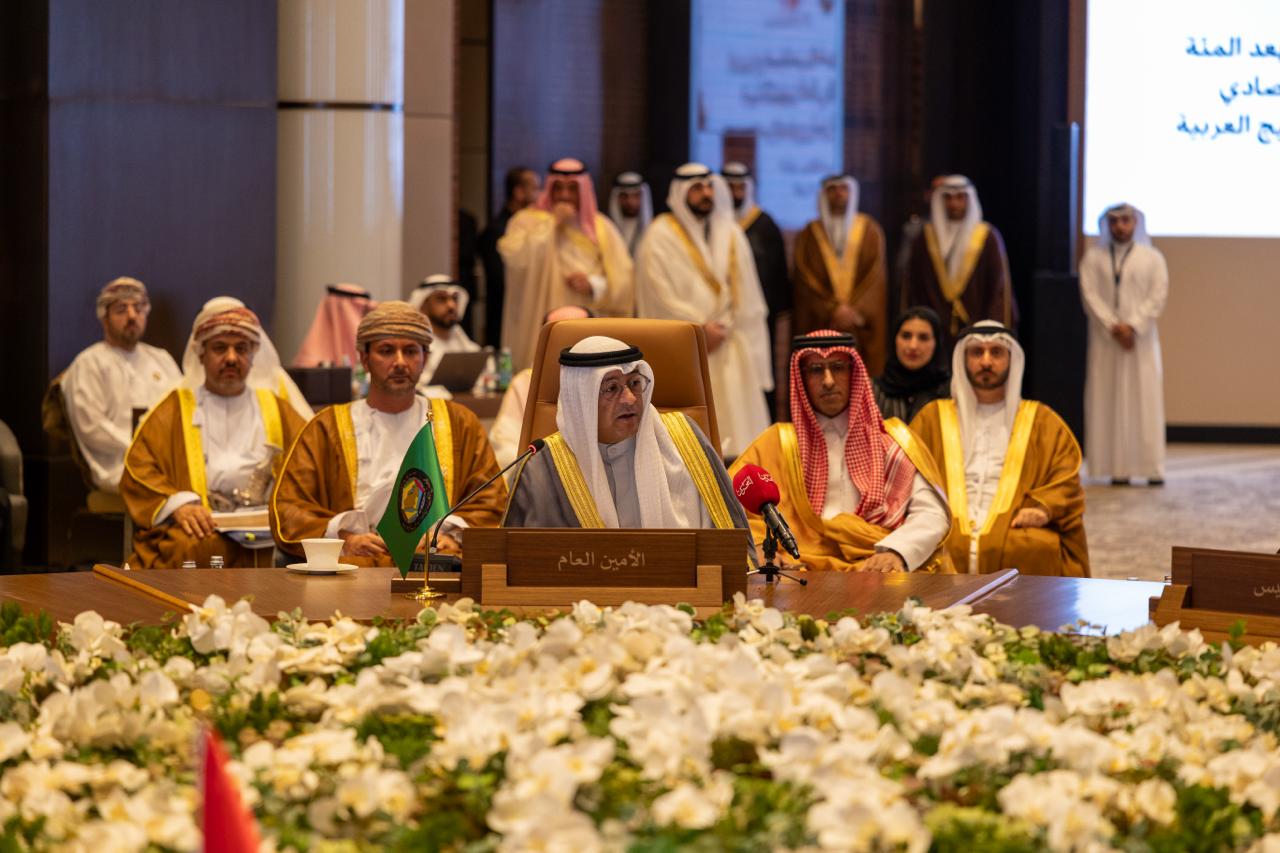
His Excellency Mr Jasem Mohamed Albudaiwi, Secretary General of the Gulf Cooperation Council (GCC), underlined that the GCC states have continued to work on bolstering financial sustainability and efficiency, developing financial risk management tools, improving the efficiency of public spending, and diversifying revenue sources. This has strengthened their ability to preserve their economic gains and provide the flexibility needed to address future developments, His Excellency stressed.
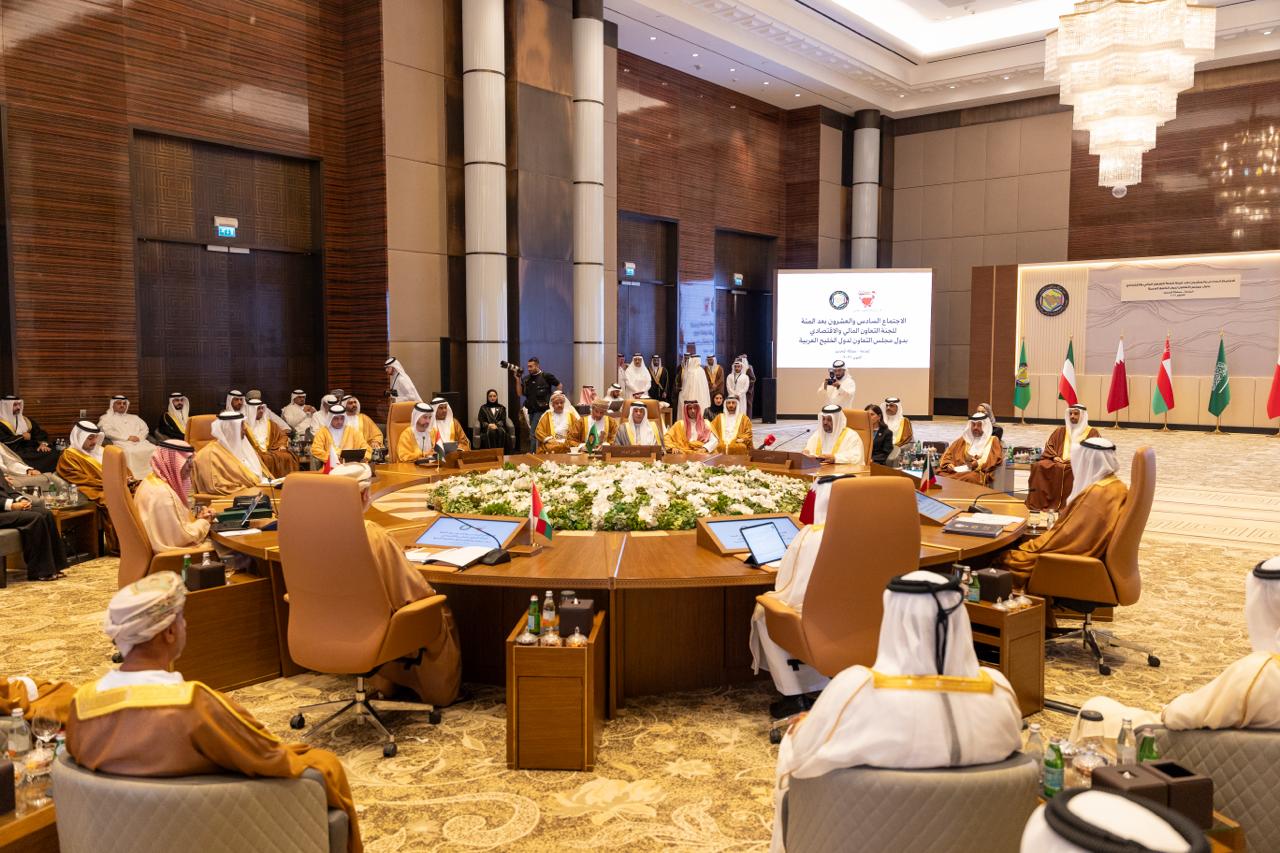
HE the Secretary General’s remarks came during the 126th meeting of the Financial and Economic Cooperation Committee of the GCC states, held on Thursday (October 1, 2026) in the Bahraini capital, Manama, chaired by His Excellency Shaikh Salman bin Khalifa Al Khalifa, Minister of Finance and National Economy of the Kingdom of Bahrain and Chairman of the current session, with the participation of Their Excellencies the Ministers concerned with financial and economic affairs in the GCC states.
At the outset of his speech, HE the Secretary General extended the highest expressions of thanks, appreciation and gratitude to His Majesty King Hamad bin Isa Al Khalifa, King of the Kingdom of Bahrain and President of the current session of the Supreme Council of the GCC, for the Kingdom of Bahrain’s hosting of this meeting, and for the facilitation and support provided by the Kingdom of Bahrain to ensure the success of the work of the GCC.
HE the Secretary General also expressed his appreciation for the support and attention accorded to joint GCC action across all fields by His Majesty, alongside Their Majesties and Highnesses the Leaders of the GCC states.
During his speech, His Excellency stated that the 126th meeting of the Financial and Economic Cooperation Committee of the GCC states is being held at a critical stage, amid the rapid geopolitical developments witnessed by the region, accompanying market fluctuations, challenges affecting trade, investment and supply chains, and growing uncertainty regarding the outlook for the global economy.
“Given the close connection between the economies of the GCC states and the global economy, these developments reaffirm the importance of continuing to enhance readiness and the ability to address various challenges, while limiting their impact on the economies of the GCC states in order to protect financial and economic stability and sustain growth,” HE the Secretary General remarked.
In the same context, His Excellency stated that the GCC states have proven, by the grace of Allah, and through the wisdom and strategic vision of the Leaders of the GCC states, their ability to deal with various crises and exceptional circumstances efficiently and capably, while preserving the strength of their economies. He affirmed that this is supported by effective financial and economic policies, strong financial positions, ambitious economic diversification programmes, and advanced frameworks for joint coordination and cooperation.
HE the Secretary General noted that recent developments have underscored the importance of building on these gains and enhancing coordination among the financial and economic policies of the GCC states, in a manner that cements their ability to respond to external developments and shocks, provides greater scope for joint action when needed, and at the same time safeguards fiscal sustainability and continues to support growth and development.
HE the Secretary General further said: “The economic and financial progress achieved by the GCC states during the past period provides a strong foundation for continuing the journey of GCC economic integration. However, the nature of the current stage requires accelerating work across a number of priority tracks, foremost among them completing the requirements of the Customs Union and the GCC Common Market, elevating the flow of trade and investment among the GCC states, and strengthening the financial and investment environment.”
Additionally, His Excellency referred in his speech to a number of indicators that reflect the strength of the economies of the GCC states, highlighting that the GDP of the GCC states reached around USD 2.4 trillion, placing them collectively among the world’s 10 largest economies. He further pointed to the contribution of non-oil activities, which reached around 79% of GDP, reflecting continued progress in economic diversification, while net foreign assets held by GCC central banks reached around USD 829 billion by the end of June 2026, covering approximately 11 months of the GCC states’ imports.
HE the Secretary General also underlined that the GCC states have maintained stable inflation levels, with the GCC average reaching around 2.1% in May 2026, despite current economic challenges, which is lower than the averages recorded by major economic blocs. He concluded by highlighting that these indicators embody the strength of the GCC economies, the effectiveness of their economic and financial policies, and the sustained progress achieved in GCC economic diversification and integration.