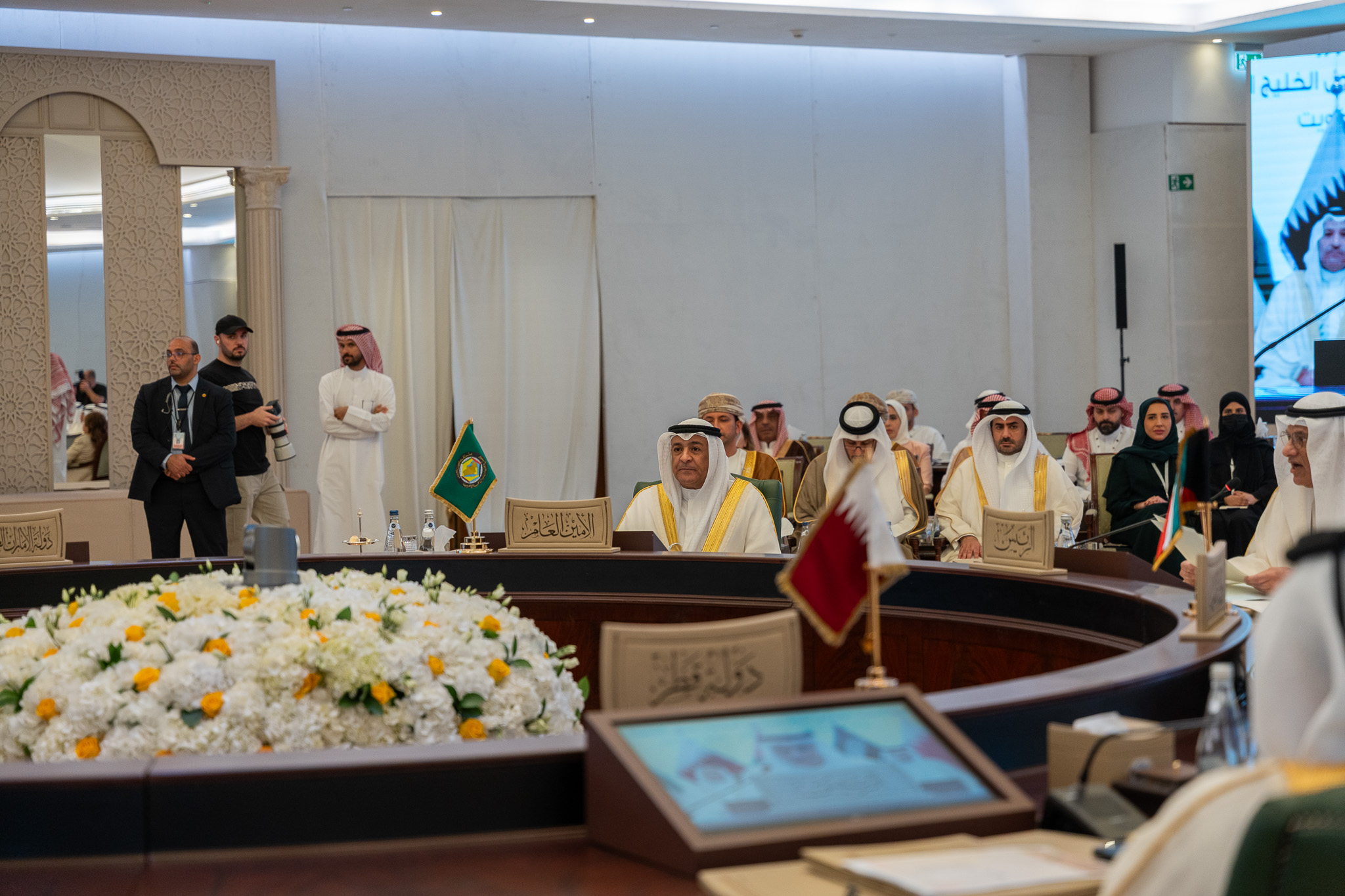
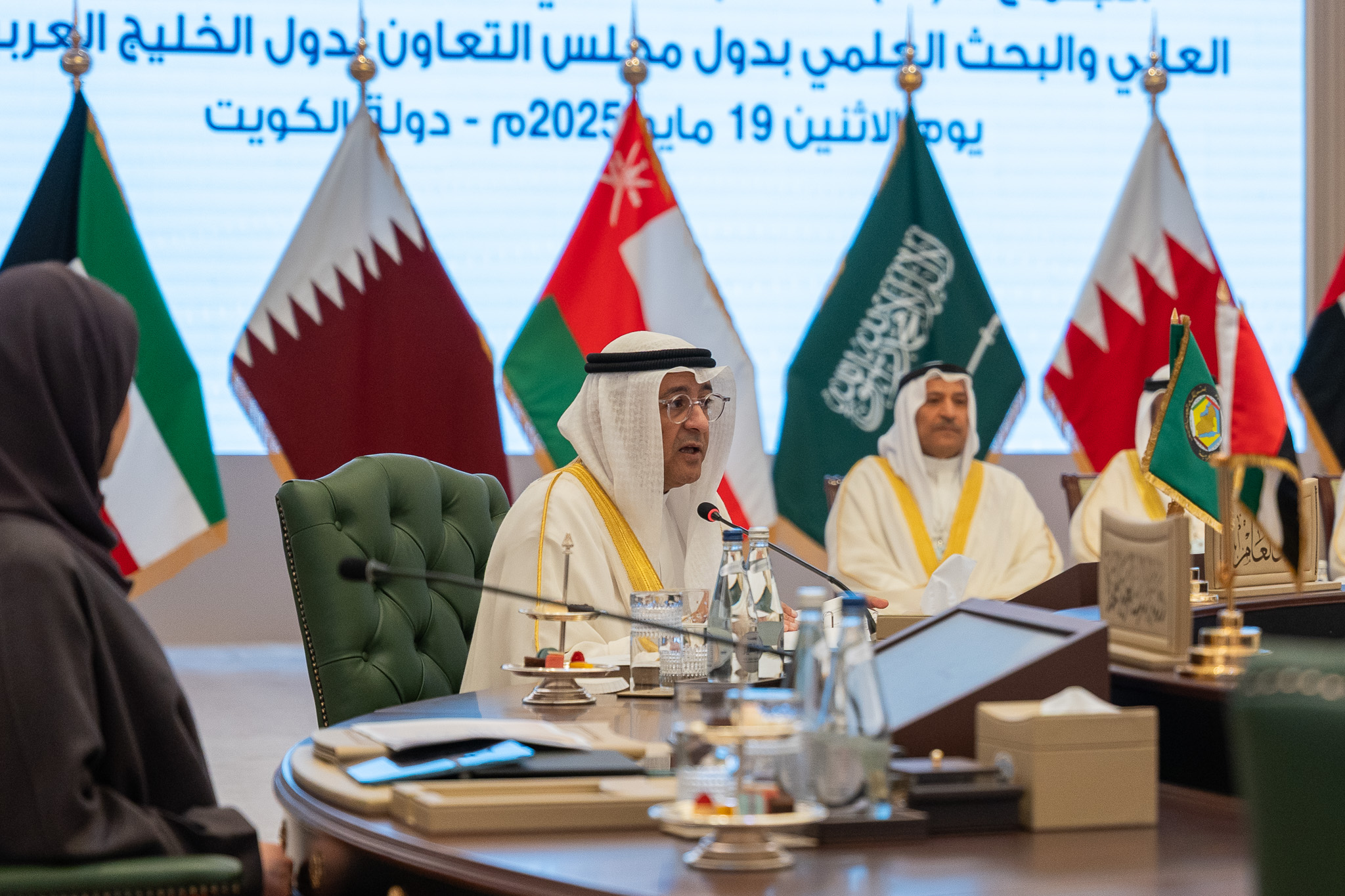
His Excellency Mr Jasem Mohamed Albudaiwi, Secretary General of the Gulf Cooperation Council (GCC), affirmed that higher education and scientific research represent the fundamental pillar for the progress and prosperity of nations.
"They are the source from which societies draw their knowledge, build their capabilities, and achieve their aspirations towards a bright future. The leaders of the GCC states have realised the importance of higher education, placing it at the forefront of development priorities, and have directed its support and development to keep pace with global changes and enhance the competitiveness of the GCC states regionally and internationally, which has had the greatest impact on achieving what we are witnessing today of accomplishments and successes," His Excellency underscored.
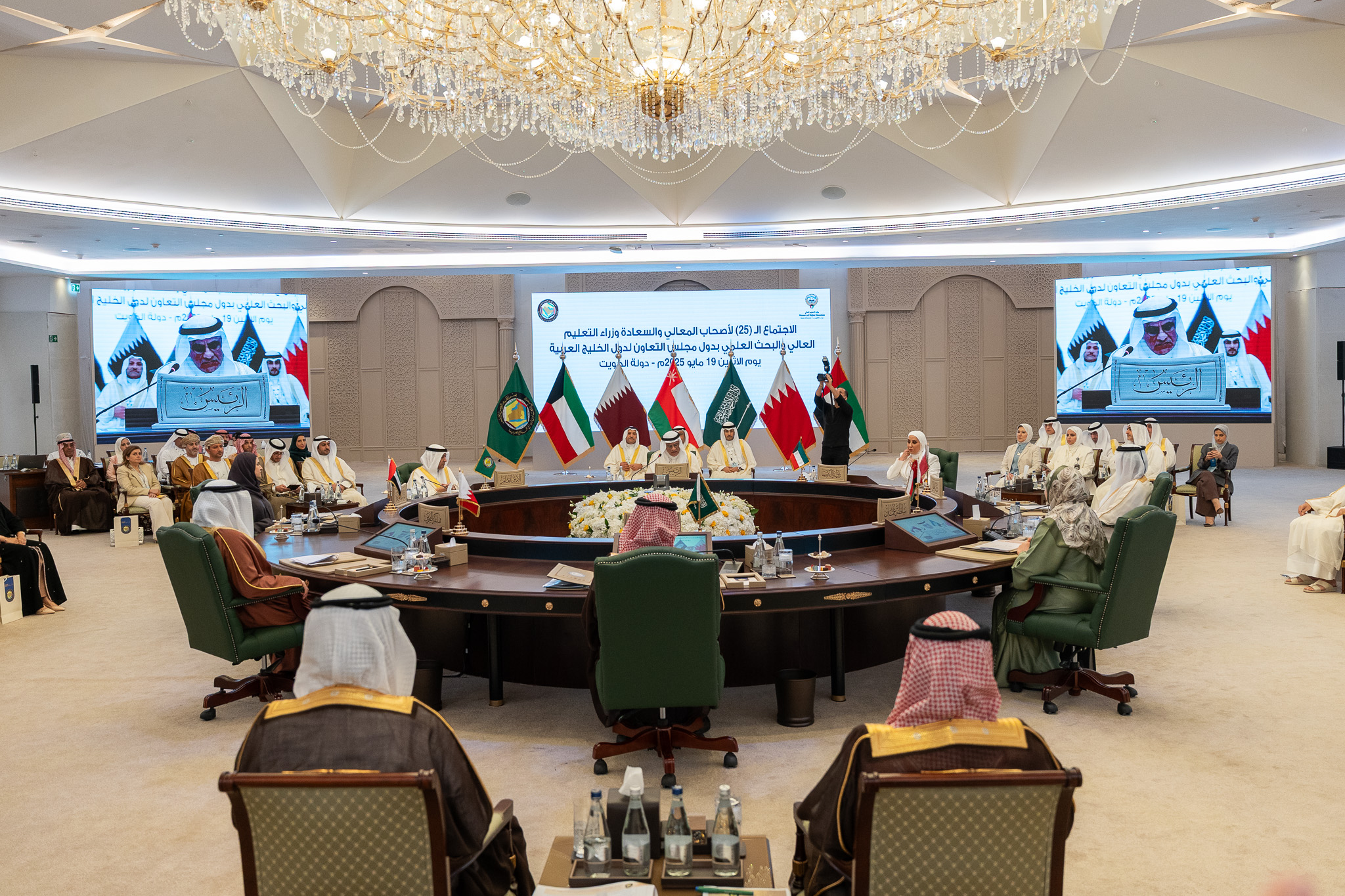
This came during the 25th meeting of Their Excellencies the Ministers of Higher Education and Scientific Research in the GCC countries, held today, Monday, May 19, 2025, in the State of Kuwait.
The meeting was chaired by His Excellency Dr Nader Abdullah Al Jalal, Minister of Higher Education and Scientific Research of the State of Kuwait - President of the current session - and with the participation of Their Excellencies the Ministers of Higher Education and Scientific Research in the GCC countries.
At the beginning of his speech, His Excellency the GCC Secretary General expressed his sincere thanks and great gratitude to His Highness Shaikh Meshal Al Ahmad Al Jaber Al Sabah, the Amir of the State of Kuwait and President of the current session of the GCC Supreme Council for his continuous support for the joint Gulf action.
"The directives of His Highness and Their Majesties and Highnesses, the leaders of the GCC countries have had a significant impact on advancing the blessed journey of the GCC towards greater integration," His Excellency added.
Moreover, His Excellency said that the higher education sector in the GCC countries has witnessed remarkable development in recent years, driven by the vision of the GCC states and the integration of national policies.
"The number of higher education institutions in the GCC countries has increased to more than 300 universities, and the number of students enrolled in higher education has reached more than 1.8 million male and female students. The percentage of spending on higher education and scientific research in the GCC countries has also increased, which is a positive indicator that enhances the trend towards a knowledge economy," His Excellency explained.
In conclusion, His Excellency pointed out the importance that the GCC countries attach to the topic of scientific research, explaining that the GCC countries have witnessed growth in the outputs of scientific publishing, in addition to the expansion of research partnerships with universities and global centers, and the establishment of a number of national funds and councils for research and innovation that contribute to supporting quality projects targeting national and strategic priorities.