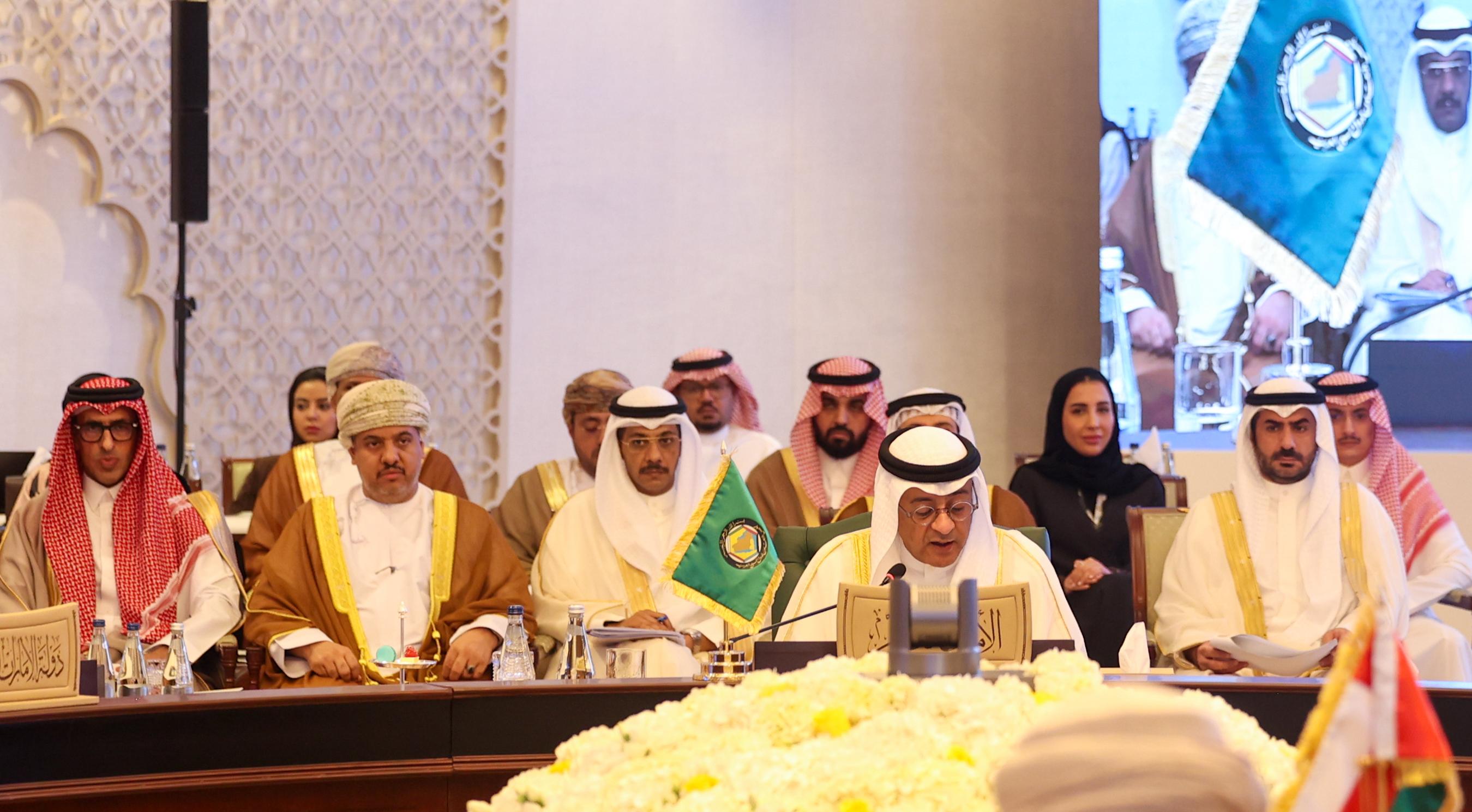
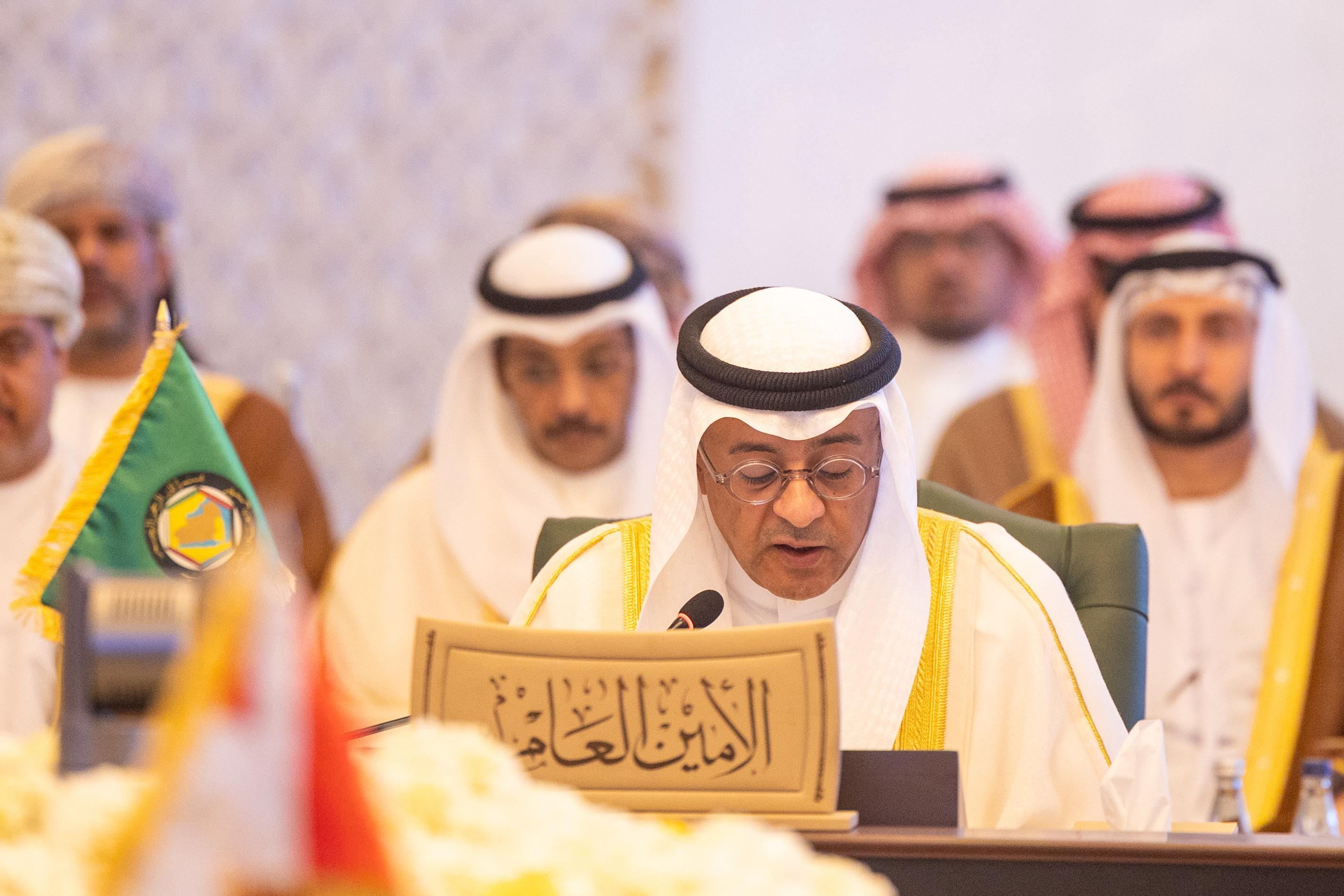
His Excellency Mr Jasem Mohamed Albudaiwi, Secretary General of the Gulf Cooperation Council (GCC), affirmed that the GCC countries have paid great attention to all areas of integration, especially the economic field, in an effort to enhance the gains of Gulf economic citizenship.
"The basic objectives of the Cooperation Council, as stipulated in Article 4 of the Council's Charter, emphasise the importance of achieving coordination, integration, and interconnectedness among member states in all fields, with the aim of achieving unity, deepening and consolidating the existing ties, connections, and aspects of cooperation between their peoples in various fields, as well as establishing similar systems in different areas, including encouraging cooperation between the private sector for the benefit of their peoples." His Excellency stressed.
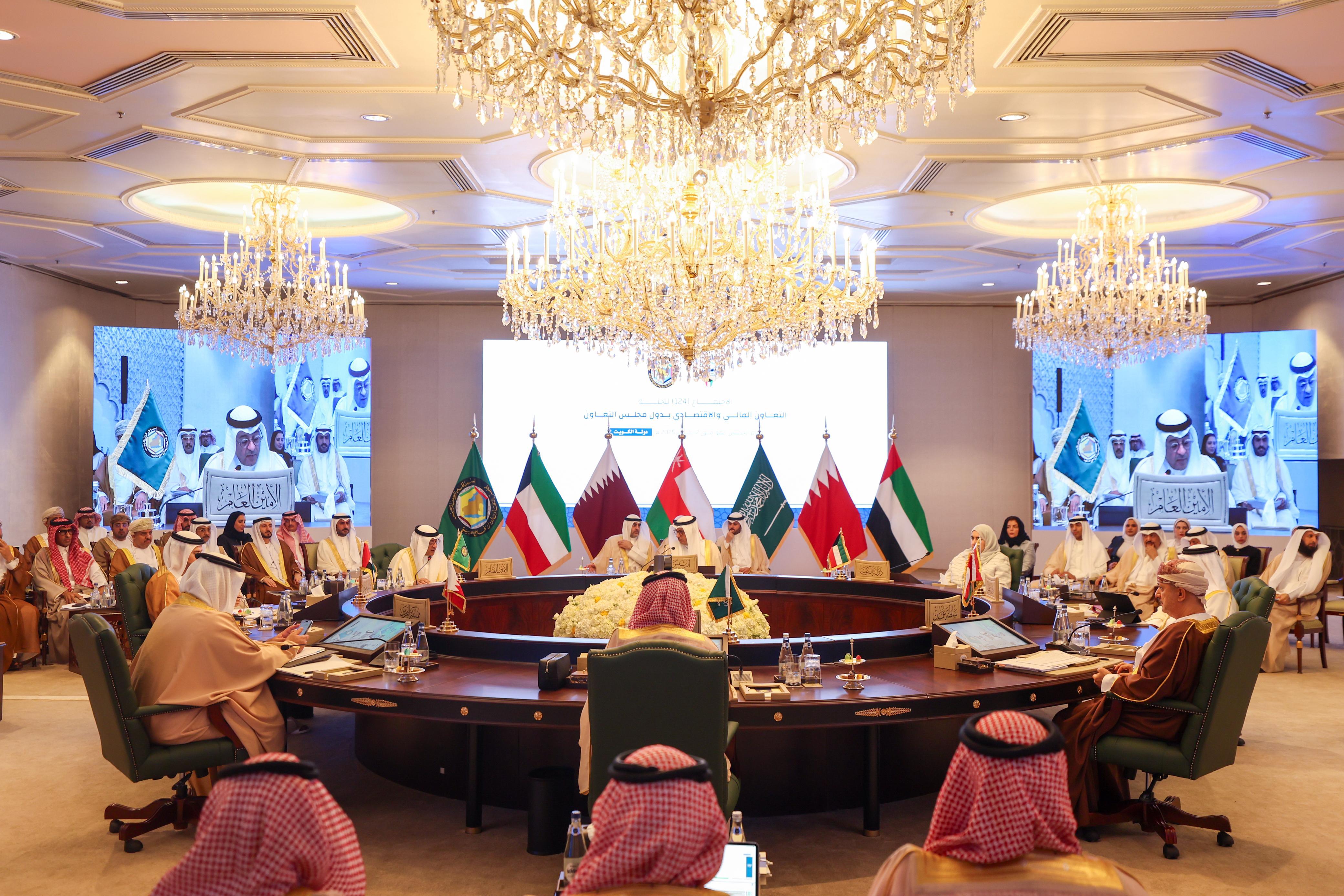
These remarks came during the 124th meeting of the GCC Financial and Economic Cooperation Committee, held on Thursday (October 2, 2025) in Kuwait City. The meeting was chaired by His Excellency Dr Subaih Abdulaziz Al Mukhaizeem, Minister of Electricity, Water and Renewable Energy, Minister of Finance, and Acting Minister of State for Economic Affairs and Investment - President of the current session - and attended by Their Excellencies the Ministers of Finance of the GCC countries.
At the outset of his speech, HE the Secretary General expressed his deepest gratitude and appreciation to His Highness Shaikh Meshal Al Ahmad Al Jaber Al Sabah, the Amir of the State of Kuwait, for hosting the blessed meeting.
He also expressed his appreciation for the facilitation and support that Kuwait has provided and continues to extend for the success of the GCC meetings, and for the support and attention that joint Gulf action receives from His Highness and his brothers, Their Majesties and Highnesses, the leaders of the GCC states, in all fields.
HE the Secretary General stated during his speech: “The GCC journey has achieved numerous major accomplishments. However, the directives of Their Majesties and Highnesses, the leaders of the GCC states, always emphasise the need to move forward toward greater integration, in line with the aspirations and ambitions of the citizens of the GCC states, which go beyond these accomplishments. This presents us with a challenge to achieve these hopes and ambitions, while simultaneously representing a strong incentive to deepen the gains already made and enhance the progress made in the stages of economic integration among the GCC states.”
He continued: “Your esteemed committee plays a pivotal and decisive role in supporting the progress of joint economic action and bears a major responsibility to advance economic integration to its highest levels. This was emphasised in the final statement of the Supreme Council at its 45th session, which called for directing the ministerial and technical bodies, councils, committees, the General Secretariat, and all other bodies of the Council to redouble their efforts to complete the remaining steps to implement the vision of the Custodian of the Two Holy Mosques, including the completion of the components of economic unity.”
His Excellency also highlighted the economic indicators of the GCC countries, with the combined GDP of the GCC countries reaching approximately USD2.3 trillion by the end of 2024, and the volume of foreign trade reaching approximately USD1.5 trillion.
"The economic and trade policies adopted by the GCC since its inception, starting with the Free Trade Area, the Customs Union, and the Gulf Common Market, have contributed to the development of intra-GCC trade, reaching more than USD145 billion in 2024, with a growth rate of approximately 9.8% compared to 2023." His Excellency explained.
“These indicators are not just numbers and statistics, but clearly embody the depth of the economic integration process among the GCC countries and reflect the fruits of the wise policies adopted since the inception of the GCC, confirming our effective position at the regional and international levels and our growing role in leading and directing the course of the global economy.” he added.