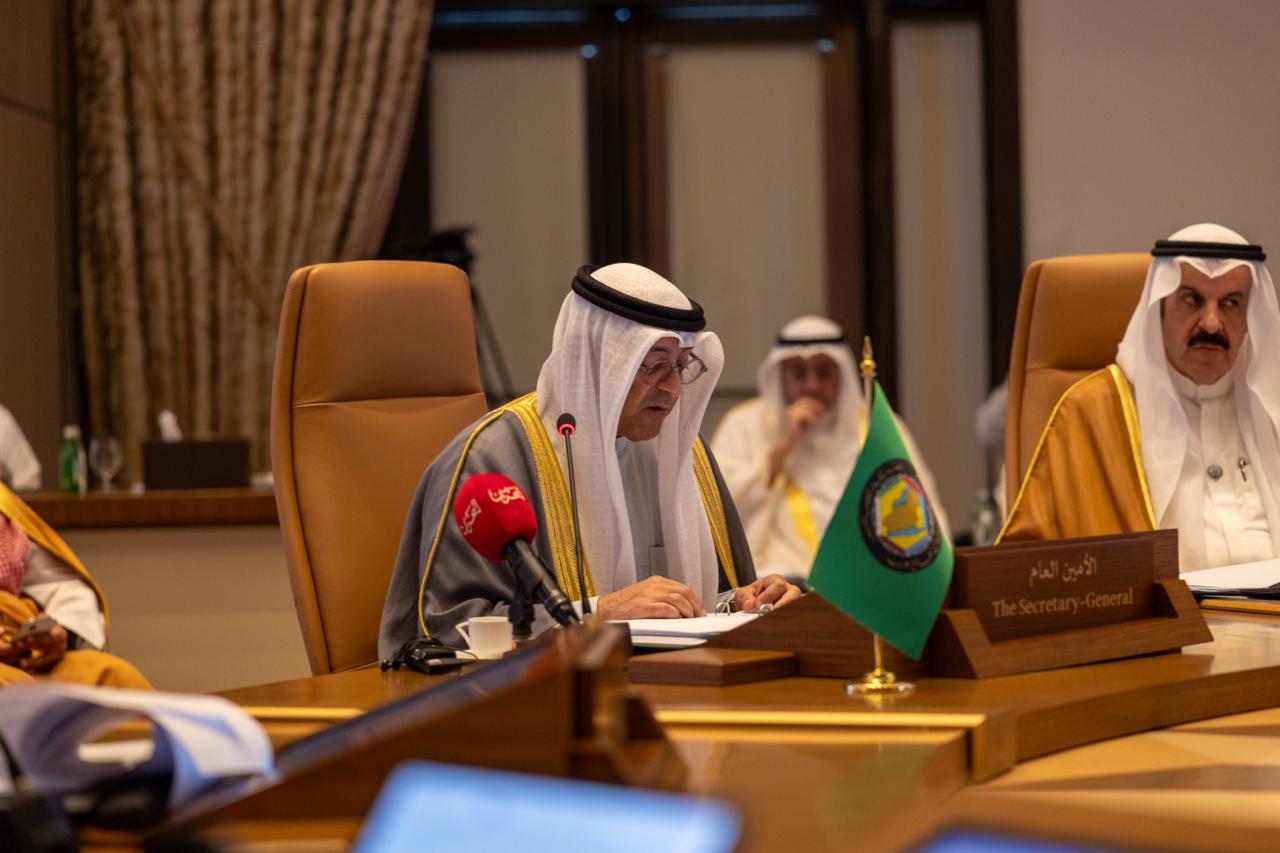
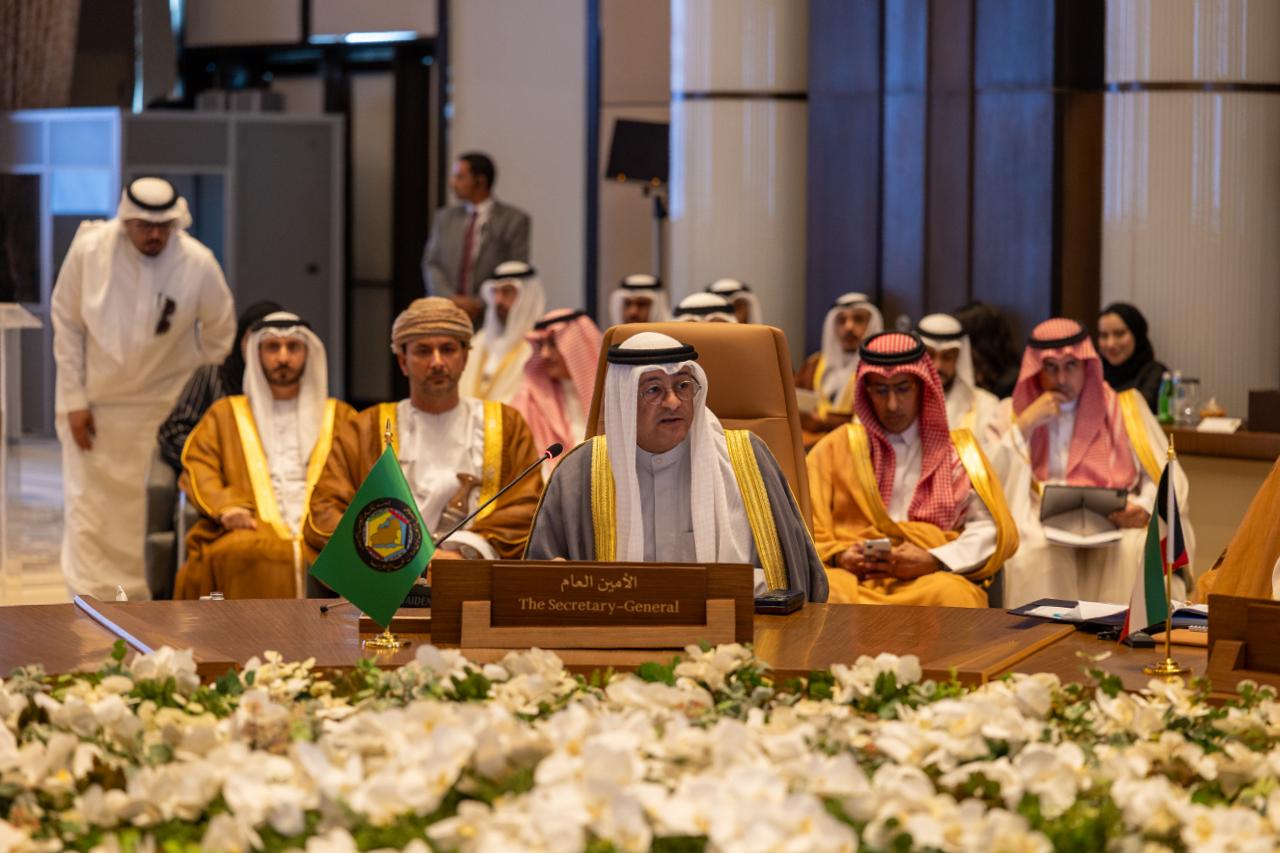
His Excellency Mr Jasem Mohamed Albudaiwi, Secretary General of the Gulf Cooperation Council (GCC), underlined that the International Monetary Fund (IMF) commended the resilience of GCC economies, the economic and financial measures implemented amid prevailing conditions, and their ability to sustain growth momentum despite heightened global uncertainty.
This came during the joint meeting of GCC Ministers of Finance and Economy and Central Bank Governors with the Managing Director of the International Monetary Fund, held on Thursday (October 1, 2026) in the Bahraini capital, Manama.
The meeting was chaired by His Excellency Shaikh Salman bin Khalifa Al Khalifa, Minister of Finance and National Economy of the Kingdom of Bahrain and Chairman of the current session, with the participation of Their Excellencies the Ministers of Finance, Their Excellencies the Governors of GCC Central Banks, and Her Excellency Ms Kristalina Georgieva, Managing Director of the IMF.
In his address, His Excellency the Secretary General stated: "We meet today as our region navigates a highly complex economic and geopolitical landscape. Disruptions across energy production, shipping, logistics, and trade have once again demonstrated how swiftly geopolitical developments impact our economies and global markets. Despite these headwinds, GCC economies have demonstrated robust macroeconomic and fiscal resilience—an outcome achieved not by coincidence, but through years of prudent economic policies, strong financial buffers, resilient banking systems, and strategic investments in infrastructure, connectivity, and economic diversification."
Moreover, His Excellency emphasised that the immediate priority lies in safeguarding macroeconomic and fiscal stability, while ensuring policies remain agile, responsive, and aligned with rapid developments. He underscored that responses must not be limited to managing the immediate fallout of geopolitical shocks, but must embed resilience as an intrinsic pillar of the GCC economic architecture.
In the same context, His Excellency stressed the importance of accelerating efforts toward economic integration, facilitating the cross-border flow of goods, services, capital, and citizens, bolstering regional supply chains, and establishing resilient commercial and logistics corridors. He also highlighted the necessity of advancing structural reforms to empower the private sector, enhance competitiveness, foster technological innovation and digital transformation, and accelerate the transition toward diversified, knowledge-based economies.
"Regional integration remains fundamental to achieving this objective; deeper alignment across markets, infrastructure, financial systems, and supply chains elevates the collective capacity to absorb external shocks and transform challenges into sustainable growth opportunities," His Excellency added.
He noted that the current environment demonstrates that economic resilience is not solely about enduring shocks, but also anticipating them, adapting effectively, and emerging stronger.
"This requires strengthening policy frameworks, deepening intra-GCC coordination, completing remaining integration milestones, and reinforcing partnerships with international institutions, foremost among them the IMF," His Excellency explained.
Concluding his remarks, His Excellency reiterated the steadfast commitment of GCC member states to this trajectory, noting that sustained policy coordination, higher integration, and continuous economic transformation will fortify the foundations of GCC economies and deliver enduring prosperity for their peoples.